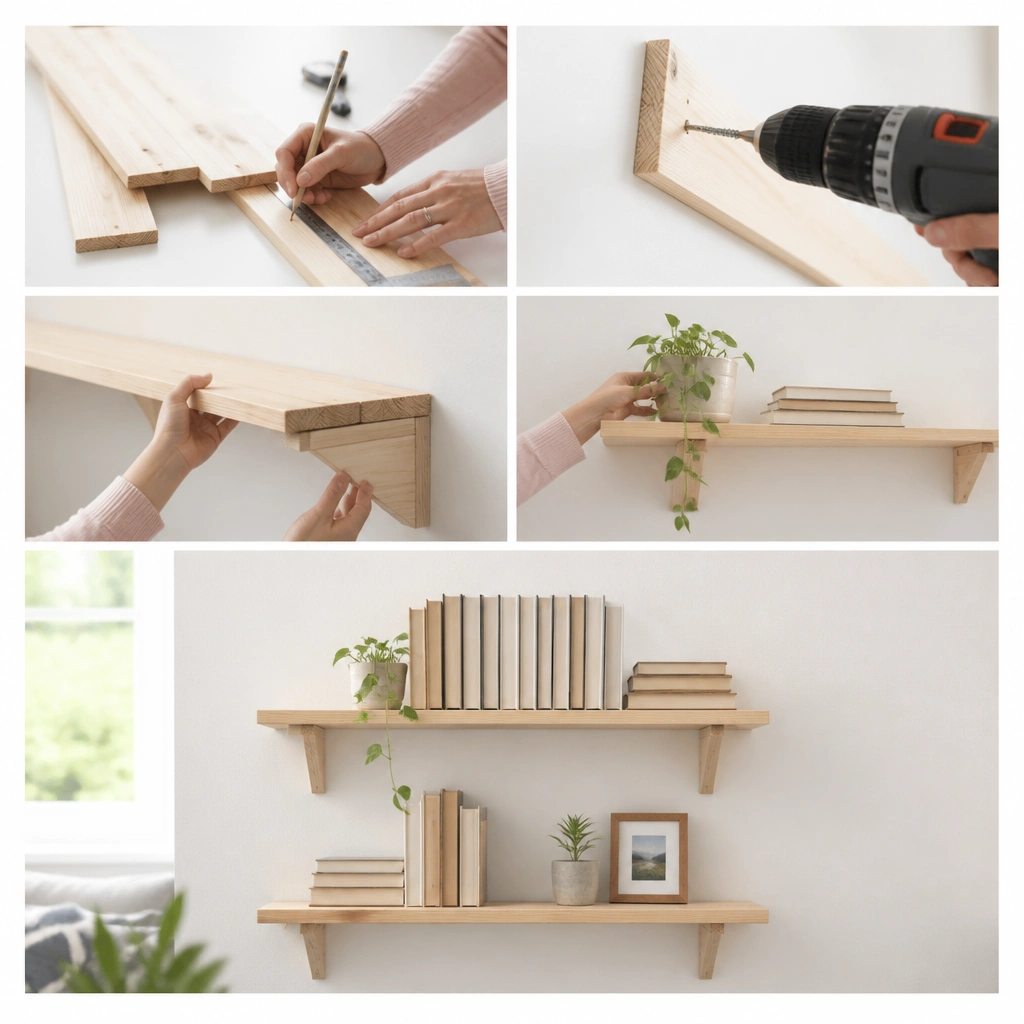
1. Countertop-to-Shelf Book-Ledge (aka the no-drill upgrade)
This idea works because it turns “book storage” into a built-in-looking display without hiding your favorite covers. Use a sturdy wood shelf or a thick floating ledge bracket system, then pair it with a small tray for bookmarks and kitchen notes. In a kitchen dining area, the ledge keeps books at eye level so they’re easy to grab while cooking.
Measure the book thickness first (page block width) and leave at least 1 inch of clearance above the tallest stack so books don’t get squished.
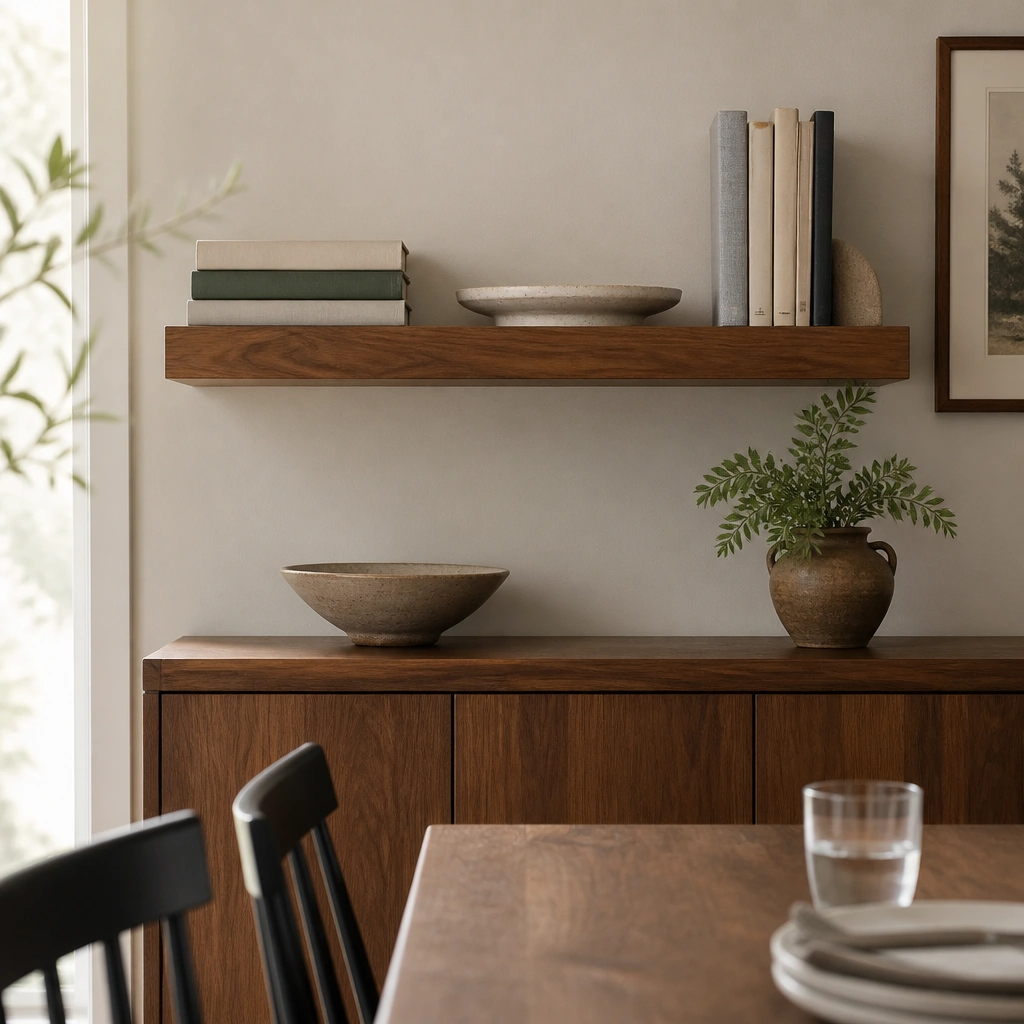
2. Floating Shelves in a Kitchen-Dining Vertical Line
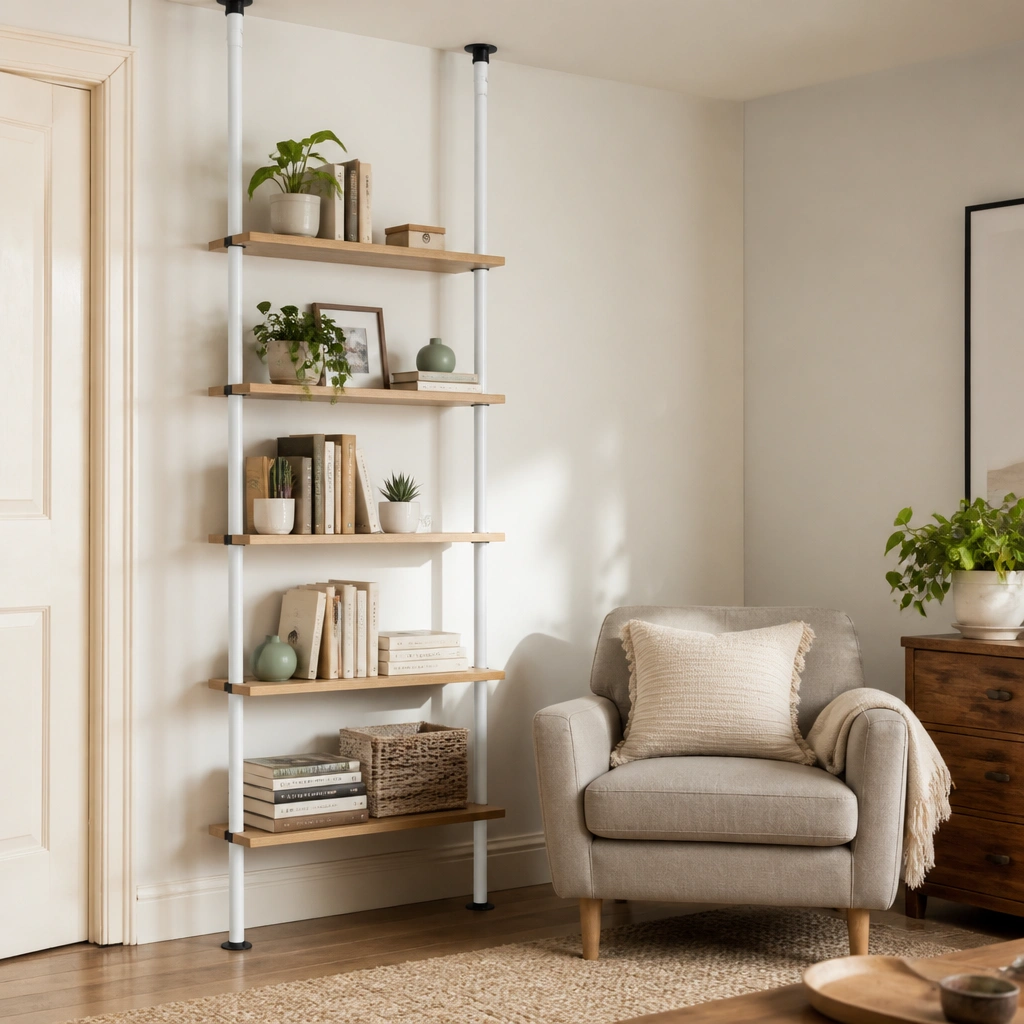
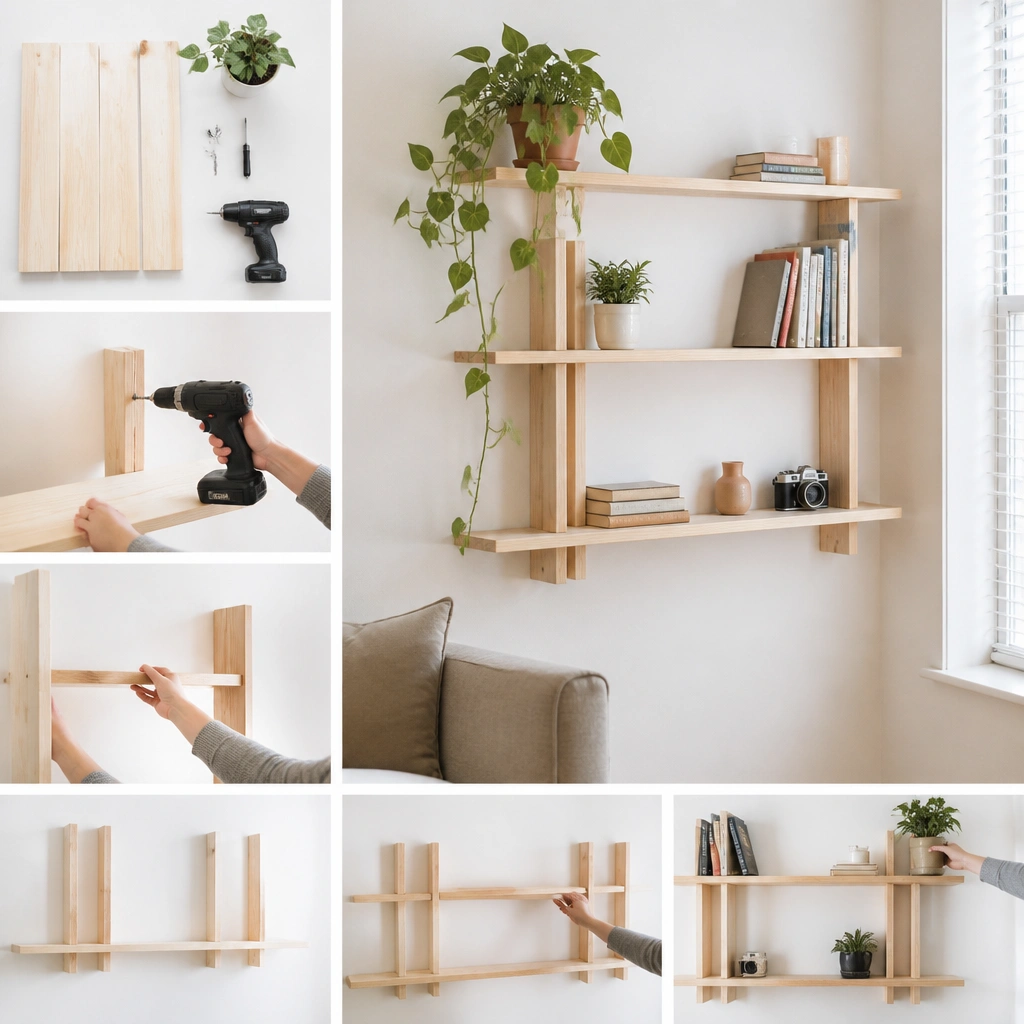
Floating shelves are beginner-friendly because the visual result looks custom even with simple hardware. Keep the arrangement vertical (top shelf for decorative items, middle for cookbooks, bottom for smaller paperbacks). Choose light wood or white shelves to blend with kitchen cabinets and prevent the display from feeling heavy.
Pro tipUse a level and mark stud locations (or use appropriate anchors) before you drill the first shelf bracket.
3. Cube Shelf with “Book + Basket” Zones
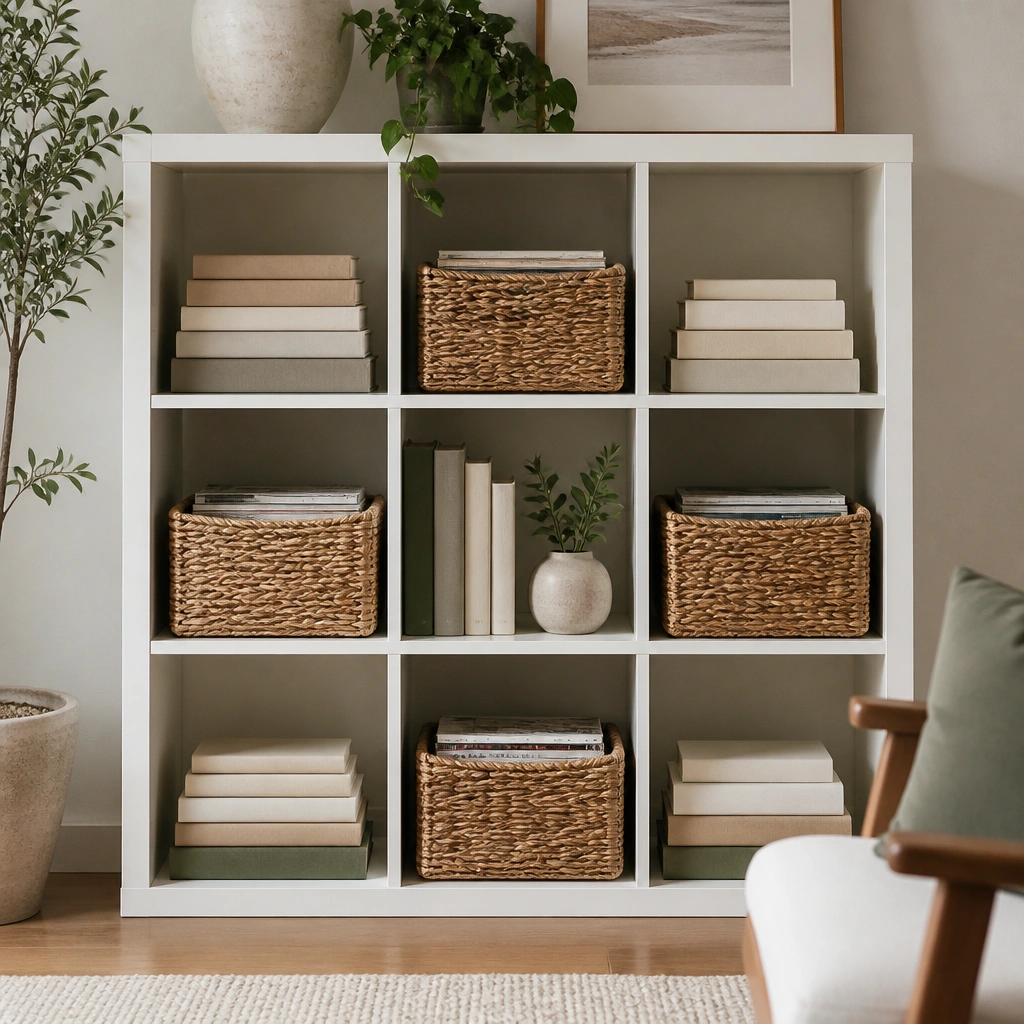
Cube shelves are one of the easiest book shelf ideas for beginners because they guide your layout. The trick is to split storage into zones: open cubes for display books and basket cubes for extras like recipe cards or seasonal menus. This keeps kitchen dining counters and tabletops looking calm.
Pick basket sizes that fit snugly inside one cube so you don’t end up with gaps that collect clutter.
4. Ladder Shelf with Wide Steps for Cookbooks
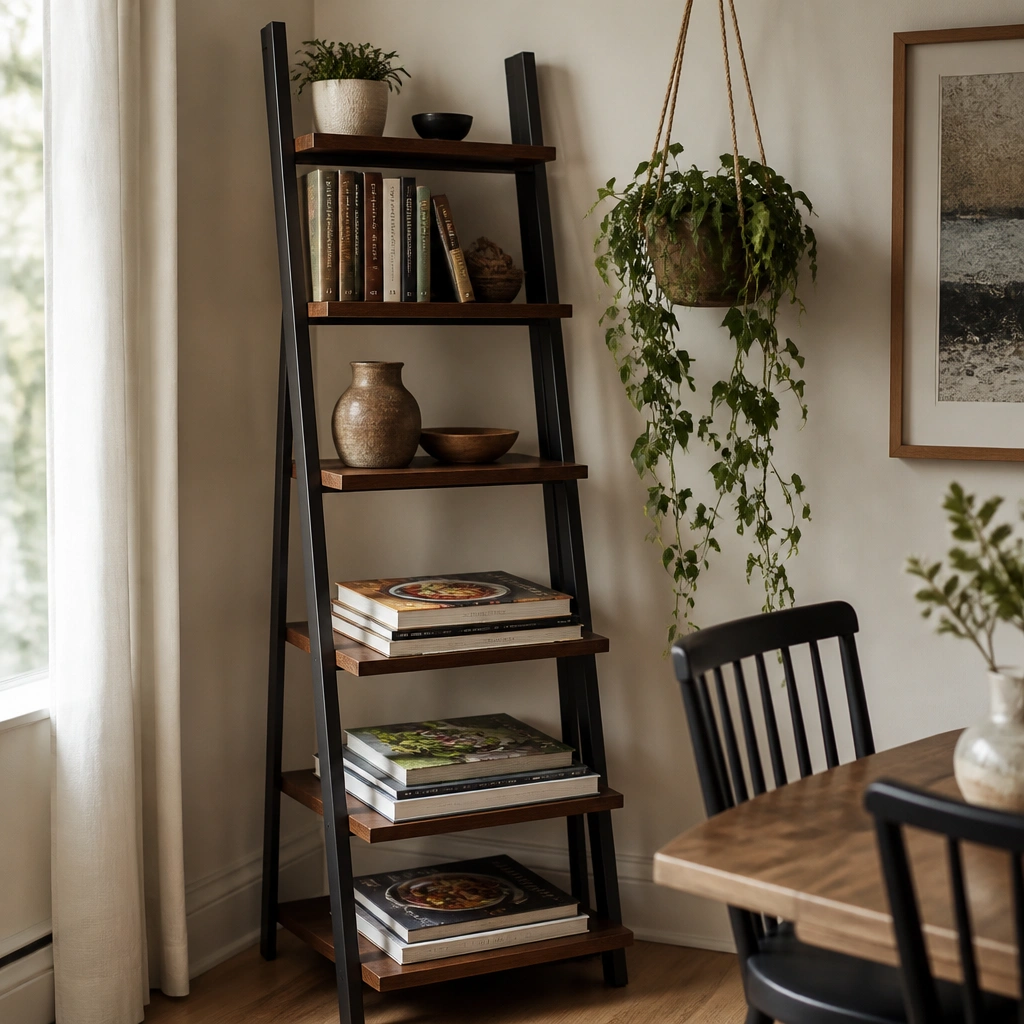
Ladder shelves make books feel like they belong in the room because the structure creates natural “steps” for display. Wide steps are perfect for cookbooks that don’t stand well. Choose a finish that matches your dining chairs or table legs so the shelf looks intentional, not like an afterthought.
If you’re placing it near a doorway, measure the shelf’s total width including side rails so it doesn’t snag foot traffic.
5. Bookcase with Adjustable Shelves for Different Heights
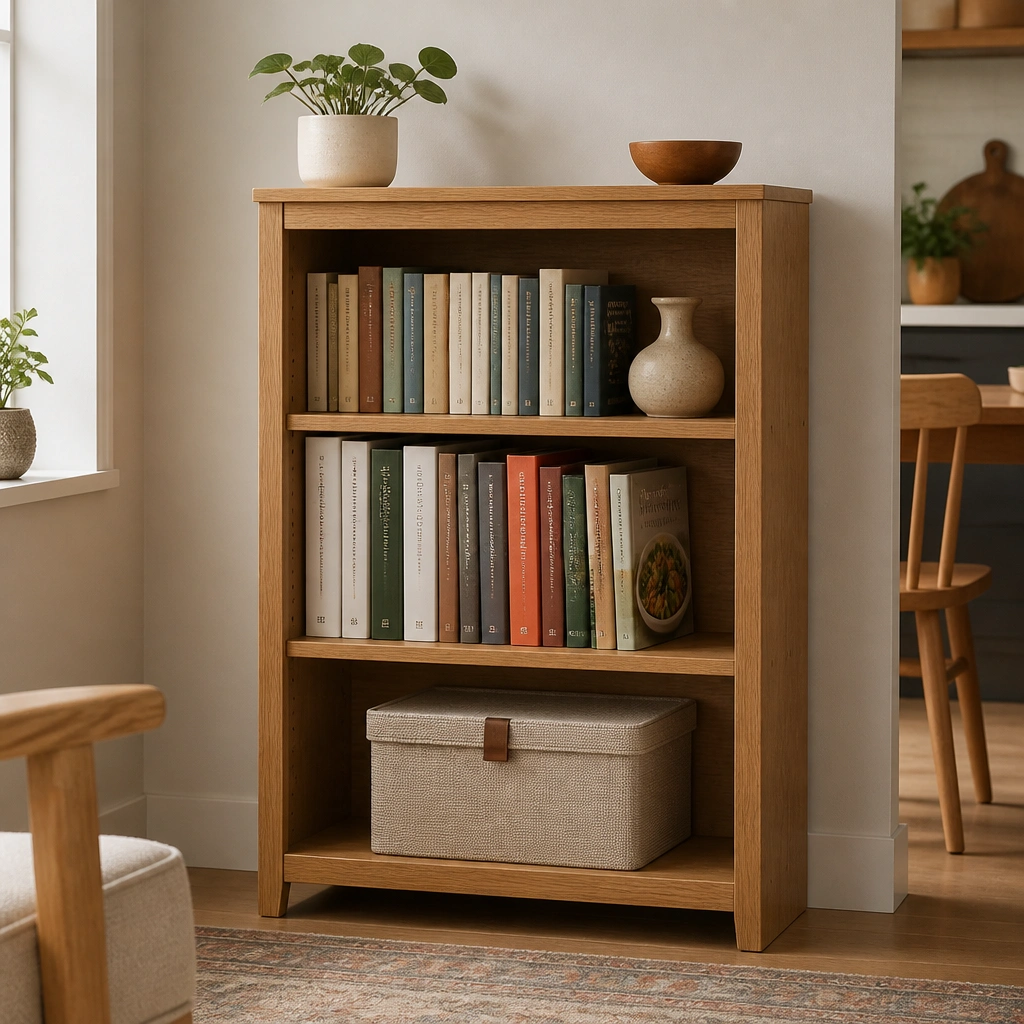
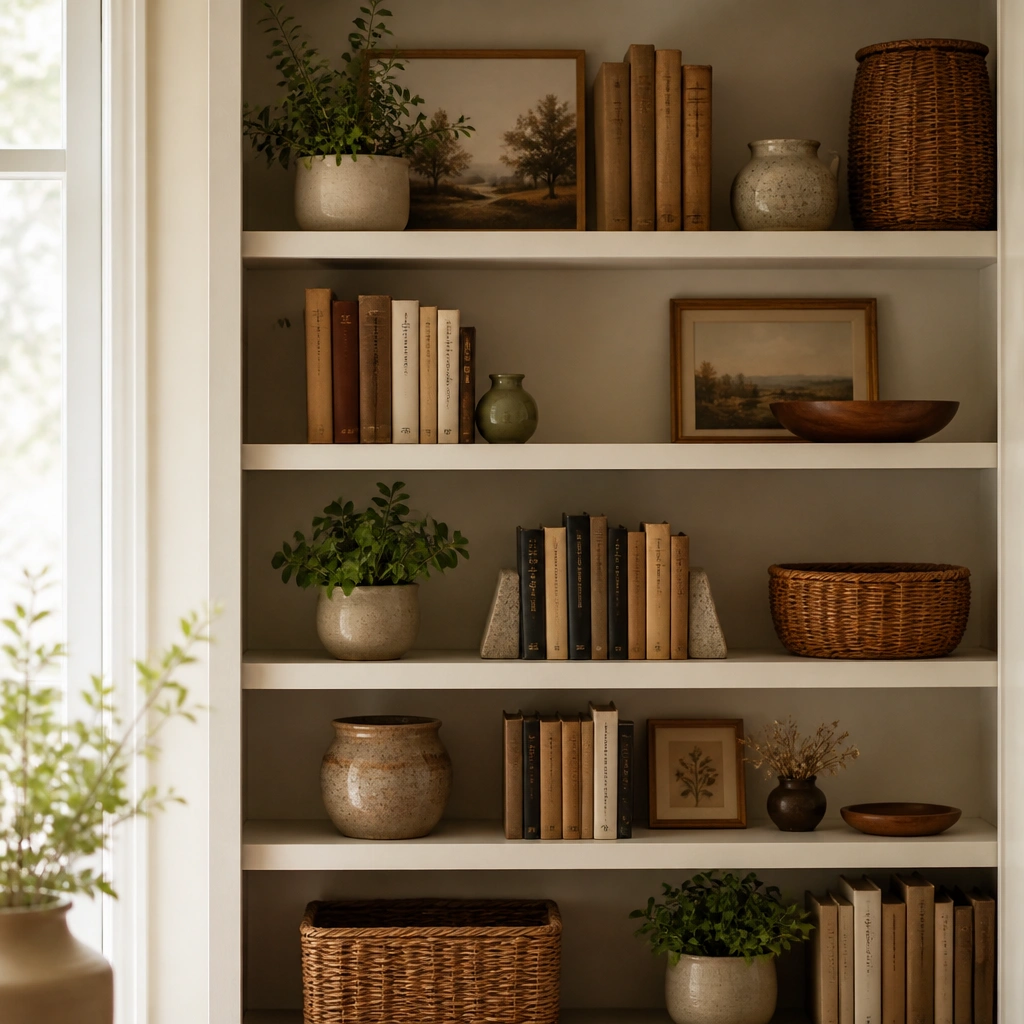
A compact bookcase is a long-term solution for kitchen dining because you can adapt shelf heights as your collection grows. Adjust spacing for oversized cookbooks, then use the bottom shelf for items you don’t want on display. Warm wood tones look cozy against kitchen neutrals and won’t feel sterile like some white-only storage.
Pro tipBefore you load books, place one cookbook and one paperback on the intended shelf and confirm there’s at least 2 inches of breathing room above the spines.
6. DIY Book Nook Rail + Book Stops (for the “row” look)
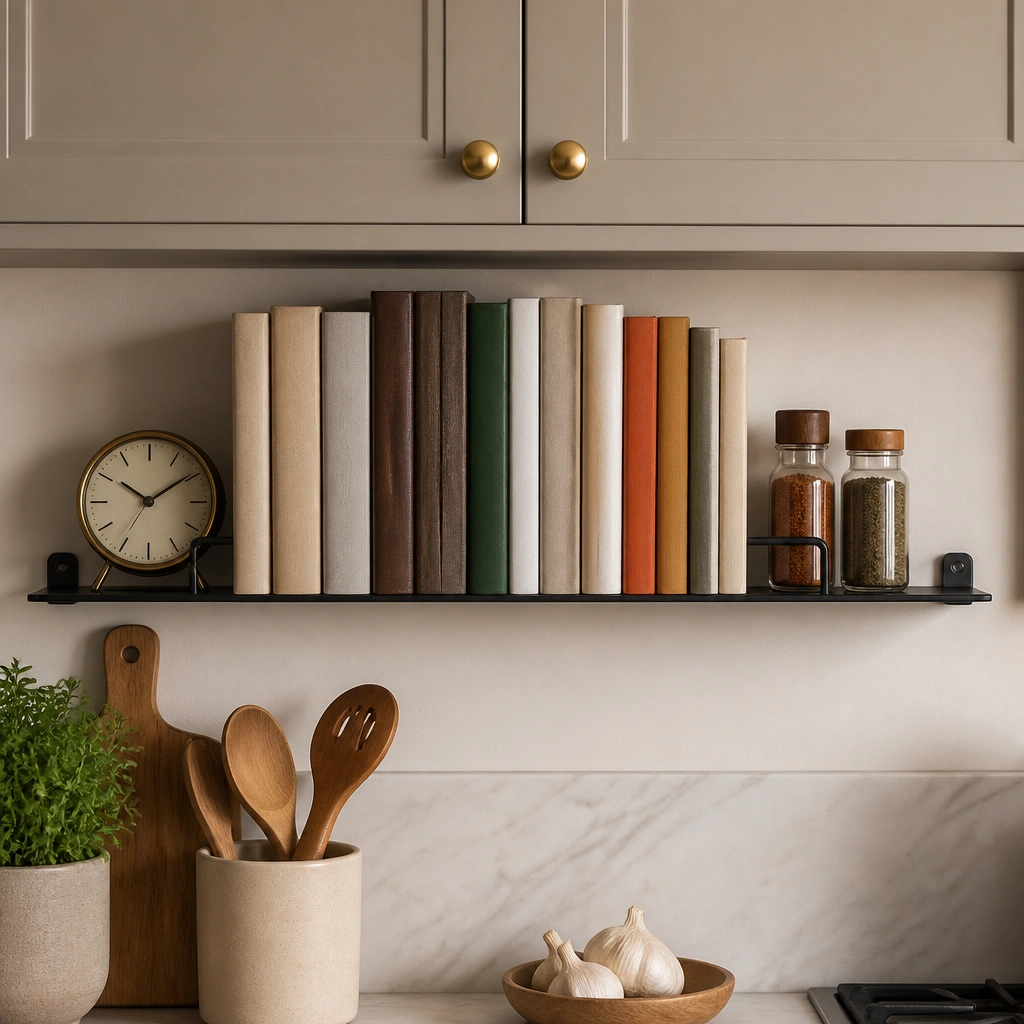
This setup gives you a clean row of books without bulky shelving. Book stops prevent books from sliding forward, which is especially helpful in kitchen dining spaces where you might bump the display while grabbing items. Use a simple rail (wood or metal) and keep the row consistent so the shelf looks styled, not accidental.
Attach book stops at the same spacing as your widest book so all titles line up perfectly.
7. Picture-Ledge Shelves with a Gallery-Style Mix
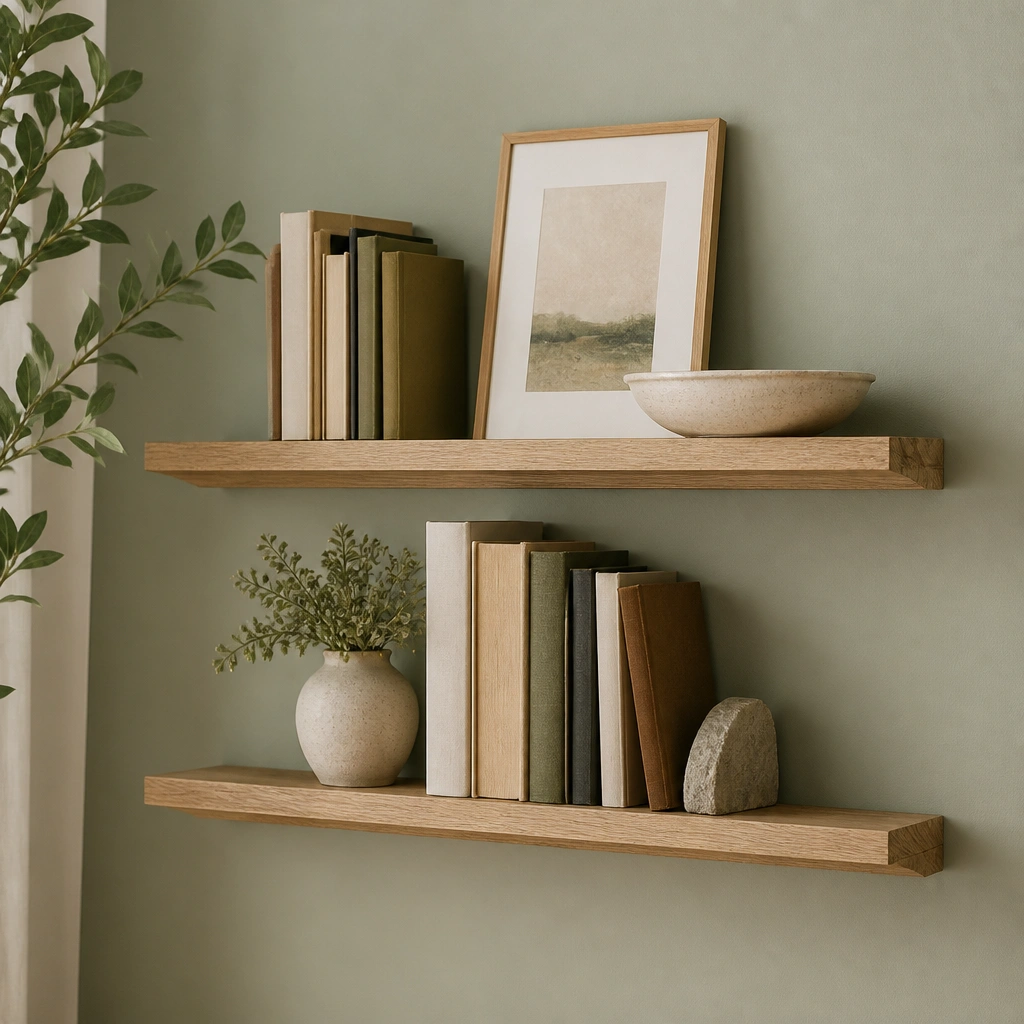
Picture-ledge shelves are shallow, which makes them ideal for beginners who want a controlled, tidy look. The shallow depth keeps books from turning into “junk stacks,” while the back wall creates a natural backdrop for frames and small decor. This works beautifully in dining rooms where you want the shelf to feel like part of the wall art.
Pro tipUse a mix of 2-3 book heights max per shelf so the display stays balanced and easy to maintain.
8. Corner Shelf with Tight Spacing for Small Dining Rooms
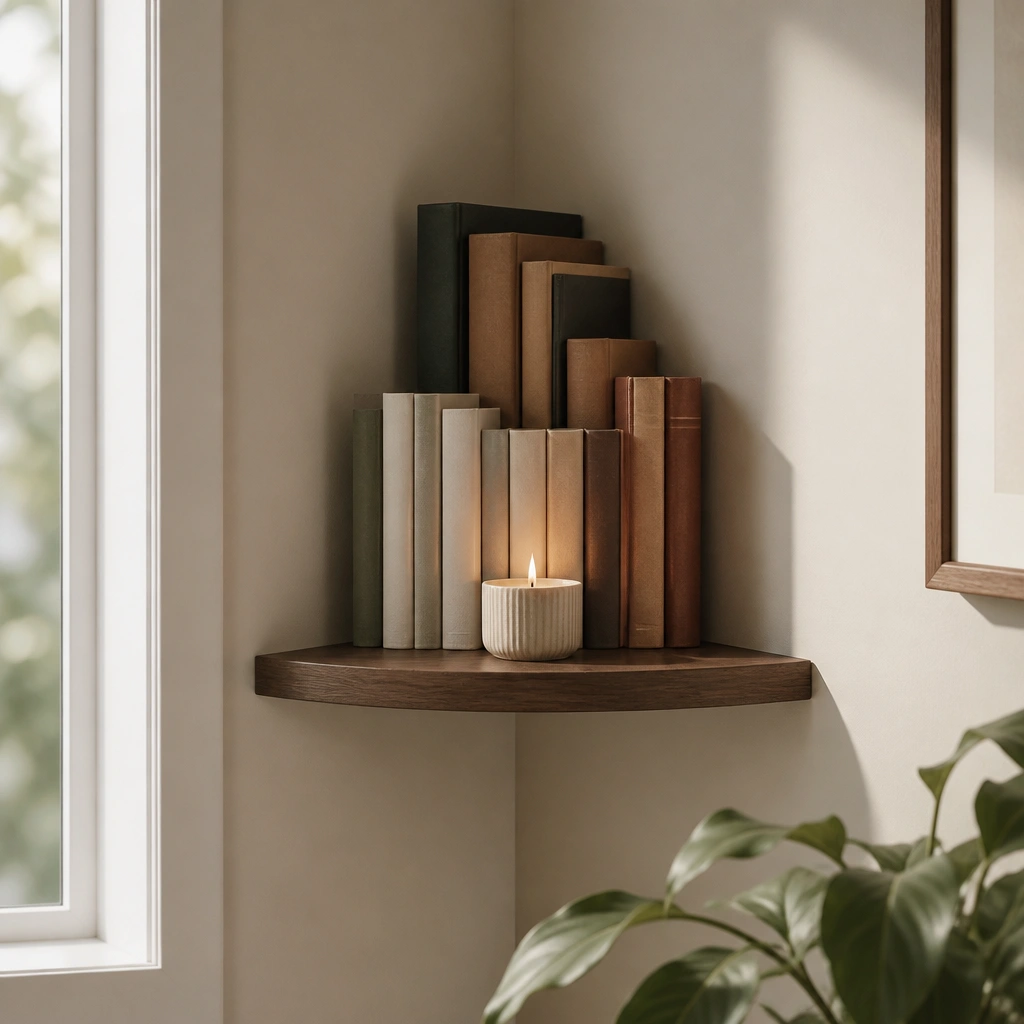
Corner shelves solve the “we don’t have wall space” problem that stops people from buying bookshelves. A corner mount also makes the shelf feel like an intentional design feature. Choose a compact width and keep the shelf depth modest so books don’t protrude into walking paths.
Pro tipTest placement by taping the shelf outline to the wall for a day so you can check for clearance when you walk past.
9. Reclaimed Wood Shelf with Vertical Book Stacks
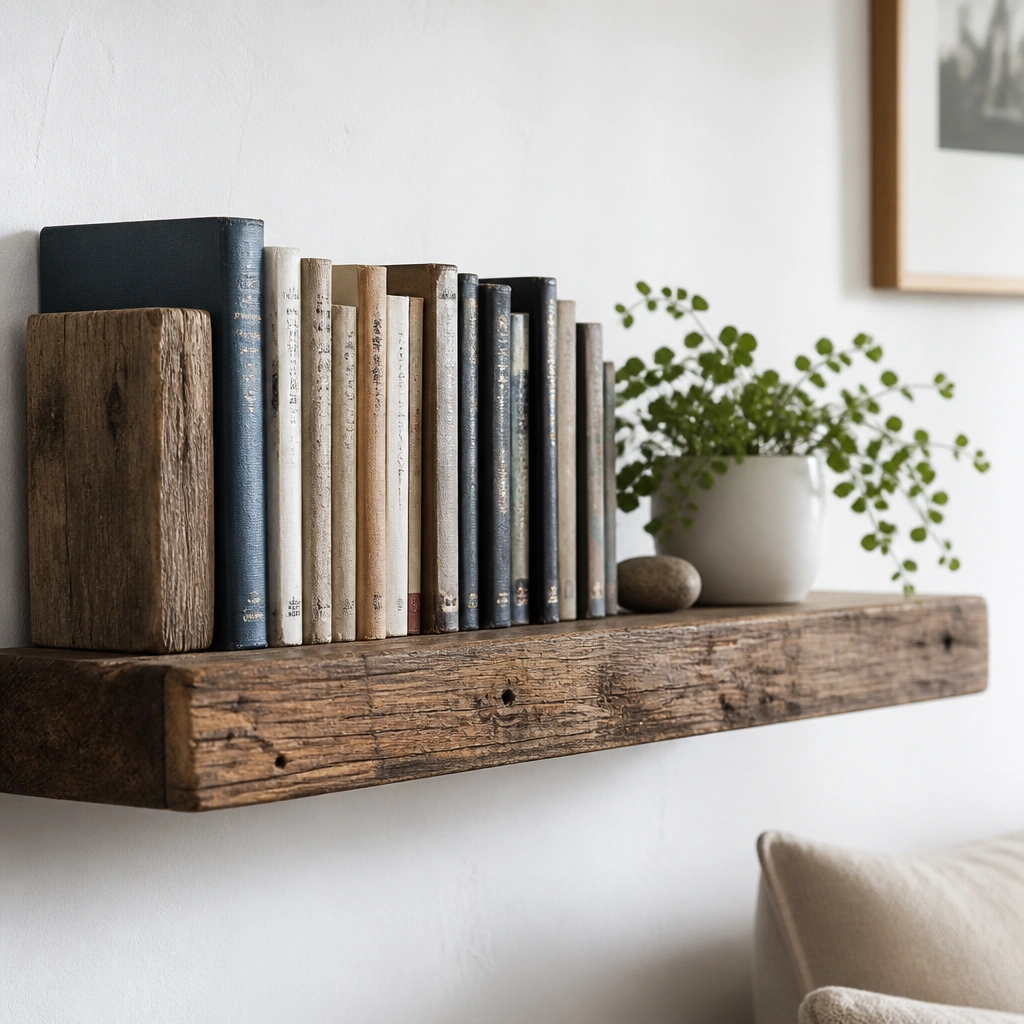
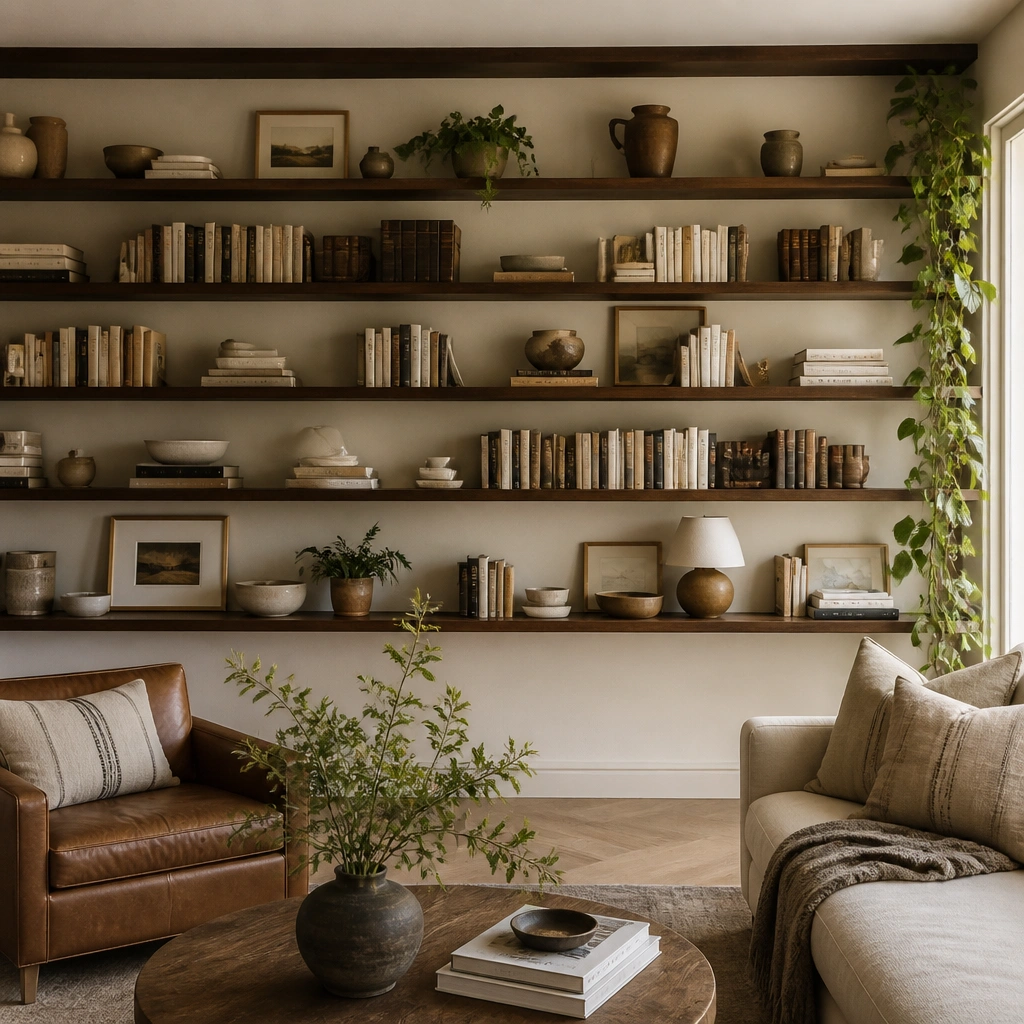
Reclaimed wood adds warmth without needing a full cabinet makeover. Vertical stacks create a clean “library” vibe, and the natural grain hides minor wear from daily use. In kitchen dining areas, the key is sealing the wood if you’re near steam or frequent window condensation.
Seal the shelf with a clear, water-resistant topcoat before loading books to make it easier to wipe down.
10. Built-In Look Using a Shelf + Curtain Backdrop
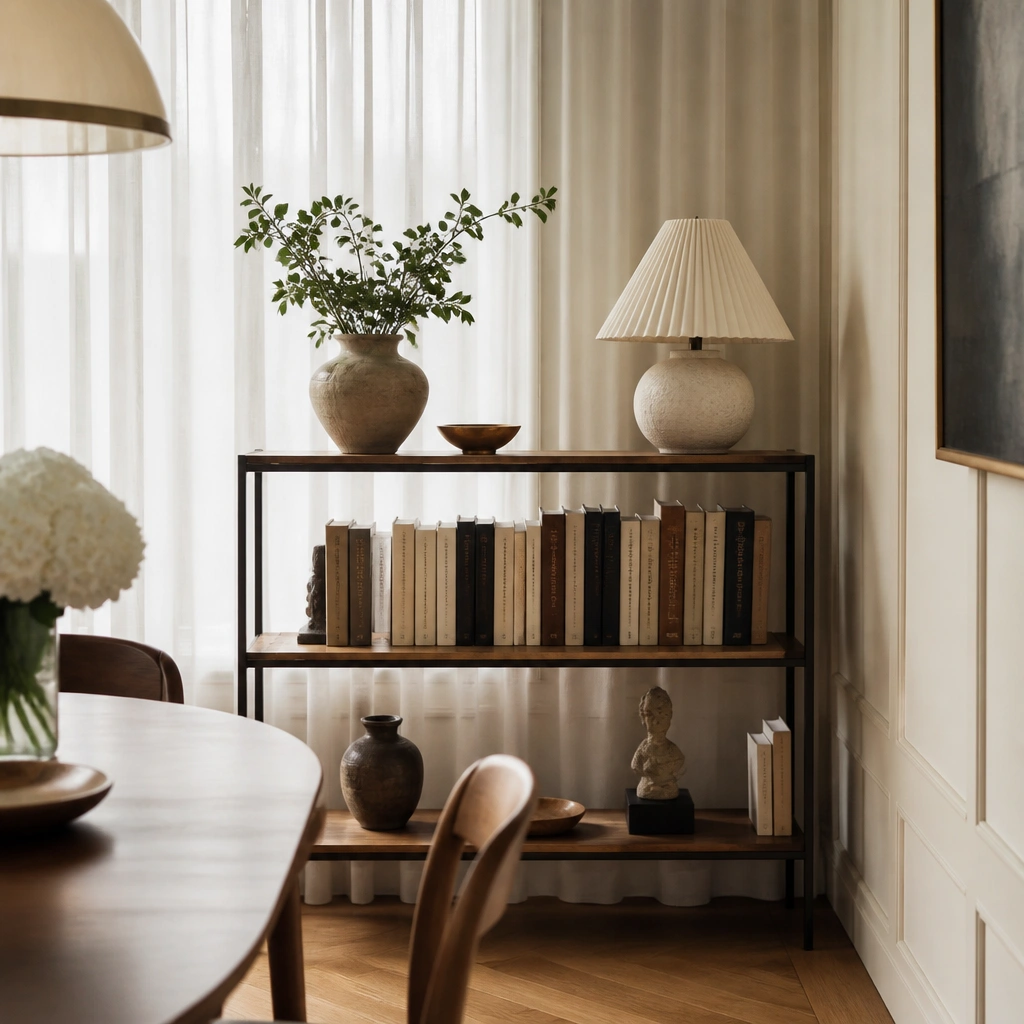
A curtain backdrop makes open shelving feel more finished, which is great if you don’t have a perfect wall to work with. It also visually reduces the clutter effect when you have lots of paperback spines. Choose a curtain in a kitchen-friendly fabric (cotton-linen blend) and stick to neutral colors to keep the dining space calm.
Pro tipUse a tension rod or simple command-style hooks for a no-drill curtain option.