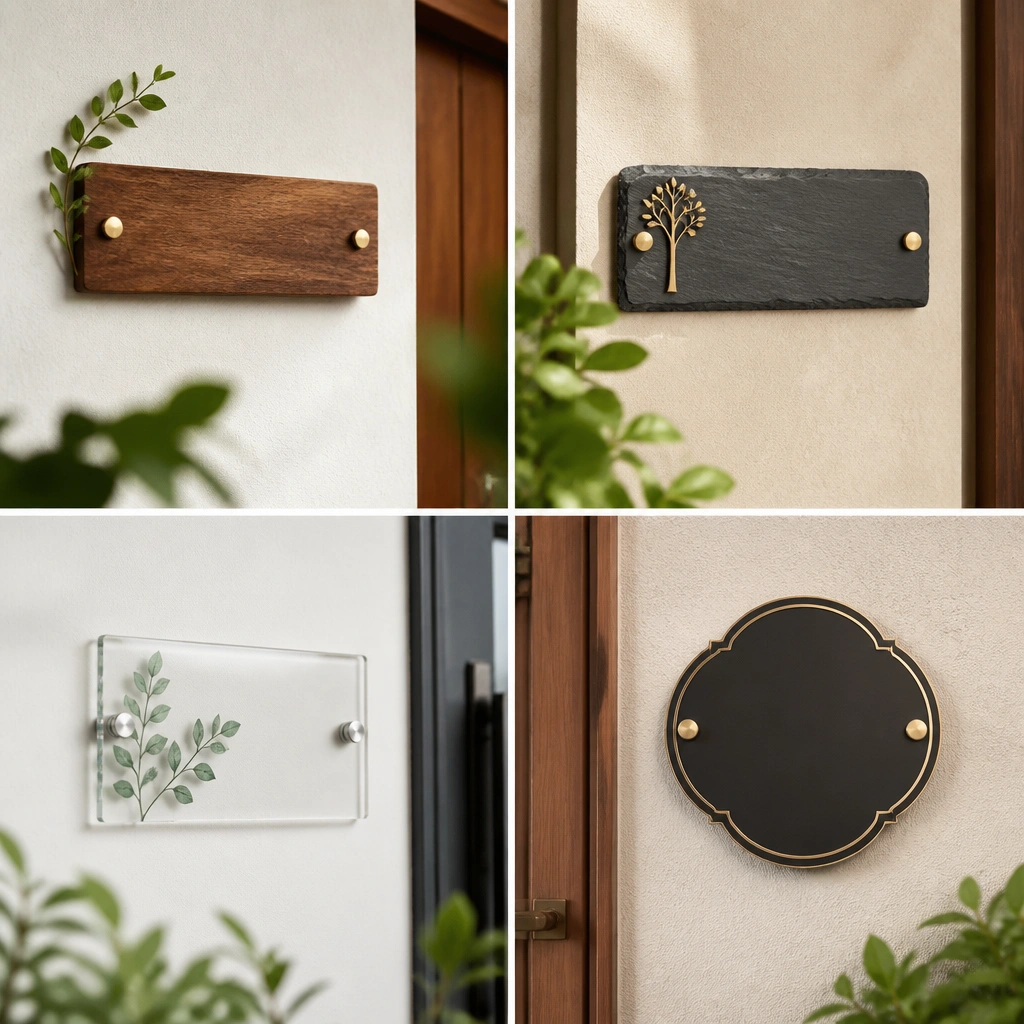

1. Matte Black House Number Plaque with Gold Edge Detail
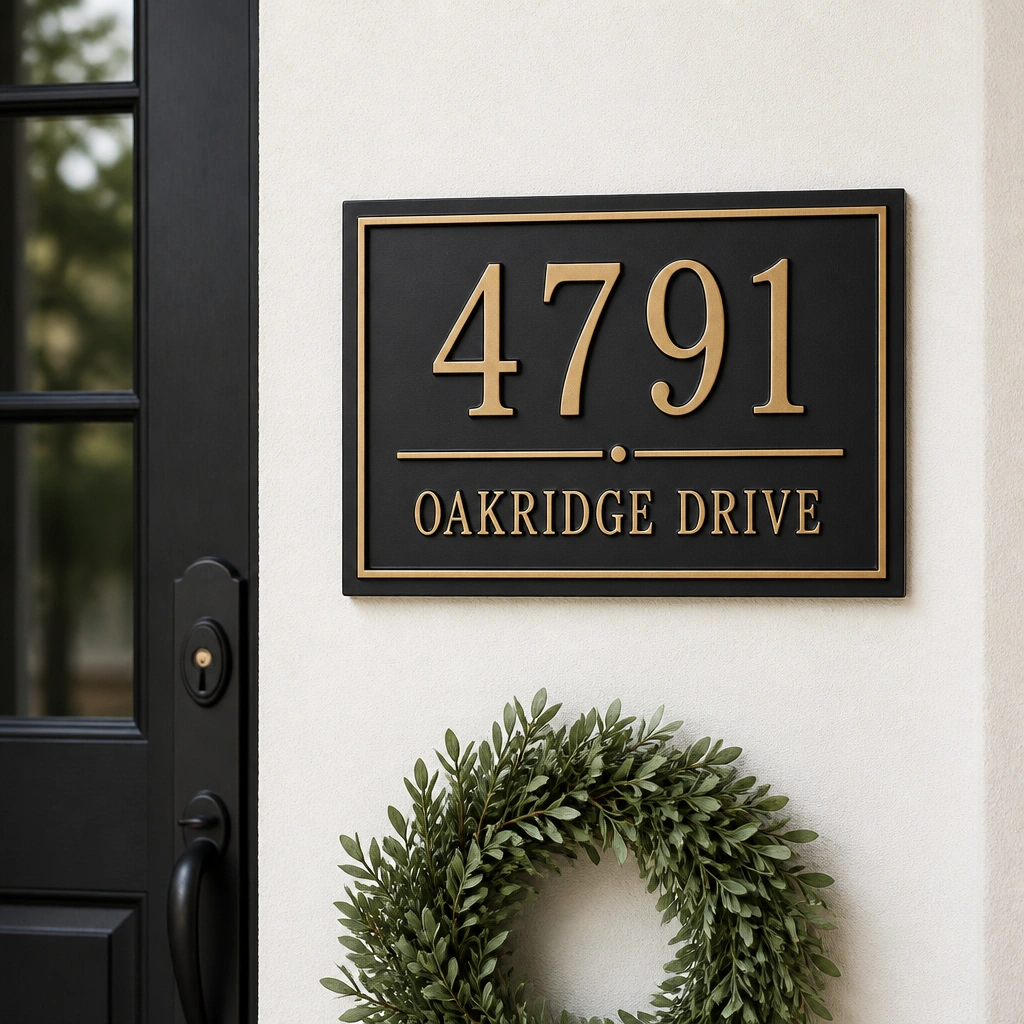
A matte black base hides scuffs better than glossy finishes, which matters when doors get wet in winter or dusty in summer. Gold-edge detail adds warmth without feeling holiday-specific, so it looks equally good with spring florals or fall pumpkins. Raised lettering also catches light nicely at dusk.
Aim for 4-6 inch letter height for front-door visibility, and mount so the bottom of the plaque sits around eye level (roughly 60 inches from the floor).
2. White Ceramic Name Plate with Subtle Blue Speckle
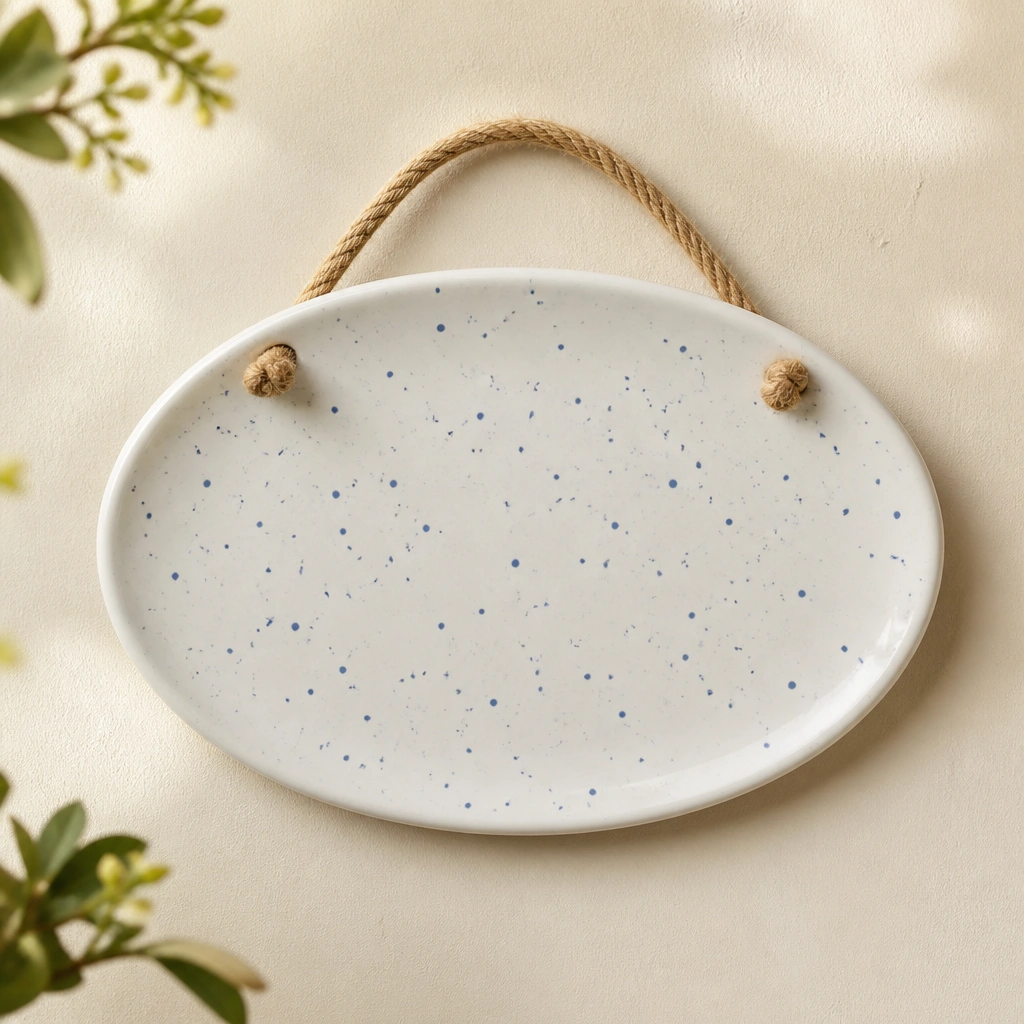
Ceramic with speckling reads fresh and handmade, which makes it perfect for year-round entryways. The white-and-blue palette plays well with coastal summer decor, but it also looks crisp with evergreen garlands in winter. It’s a solid choice if you want texture without seasonal graphics.
Use a weatherproof outdoor mounting adhesive or outdoor-rated ceramic hooks, especially if the plate sits near a porch that gets rain.
3. Neutral Wood Slat Name Sign with Laser-Cut Letters
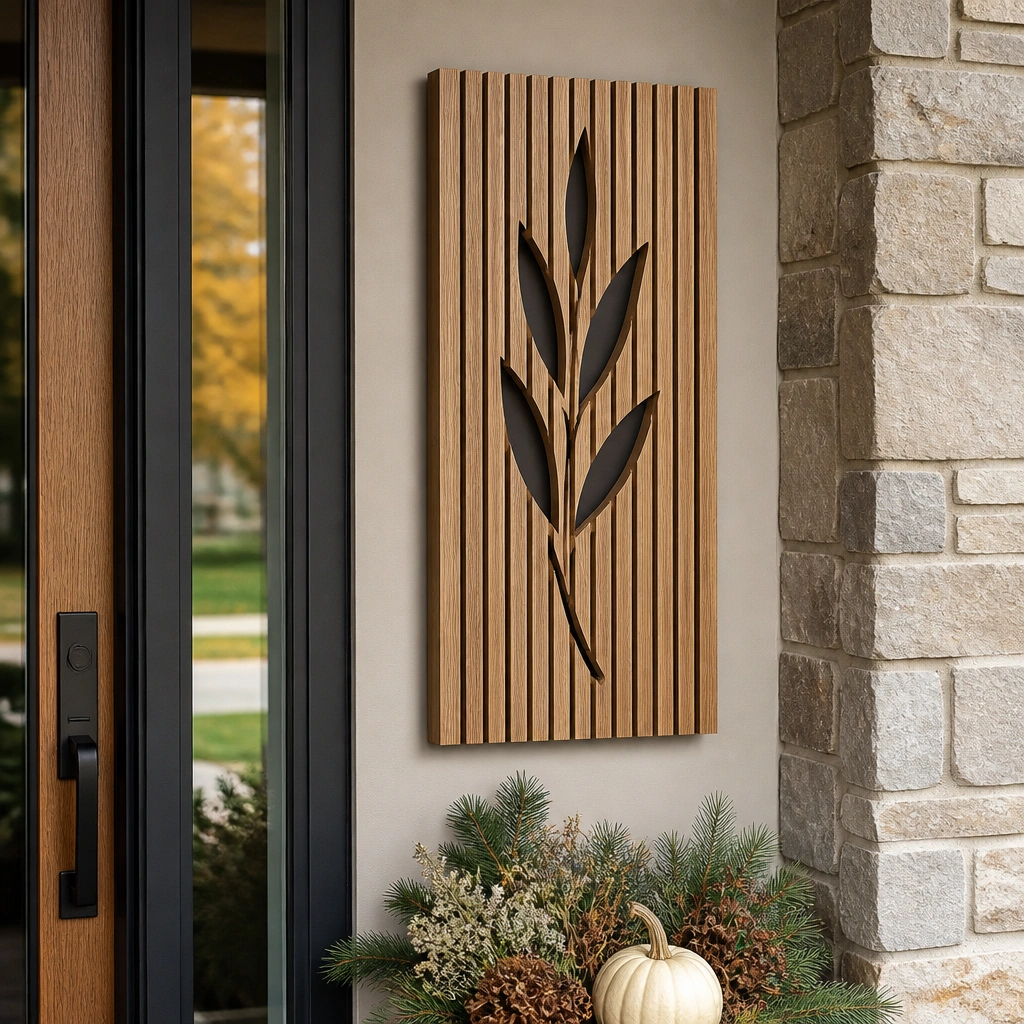
Laser-cut letters create depth so your name looks dimensional even on cloudy days. Natural wood tones are easy to style all year because you can swap just the greenery and small accents underneath. Choose an outdoor seal (matte clear) so the wood doesn’t blotchy-stain after wet seasons.
Pro tipIf you’re DIY-ing, sand to 220 grit first, then apply a clear exterior sealer — two thin coats beat one thick coat.
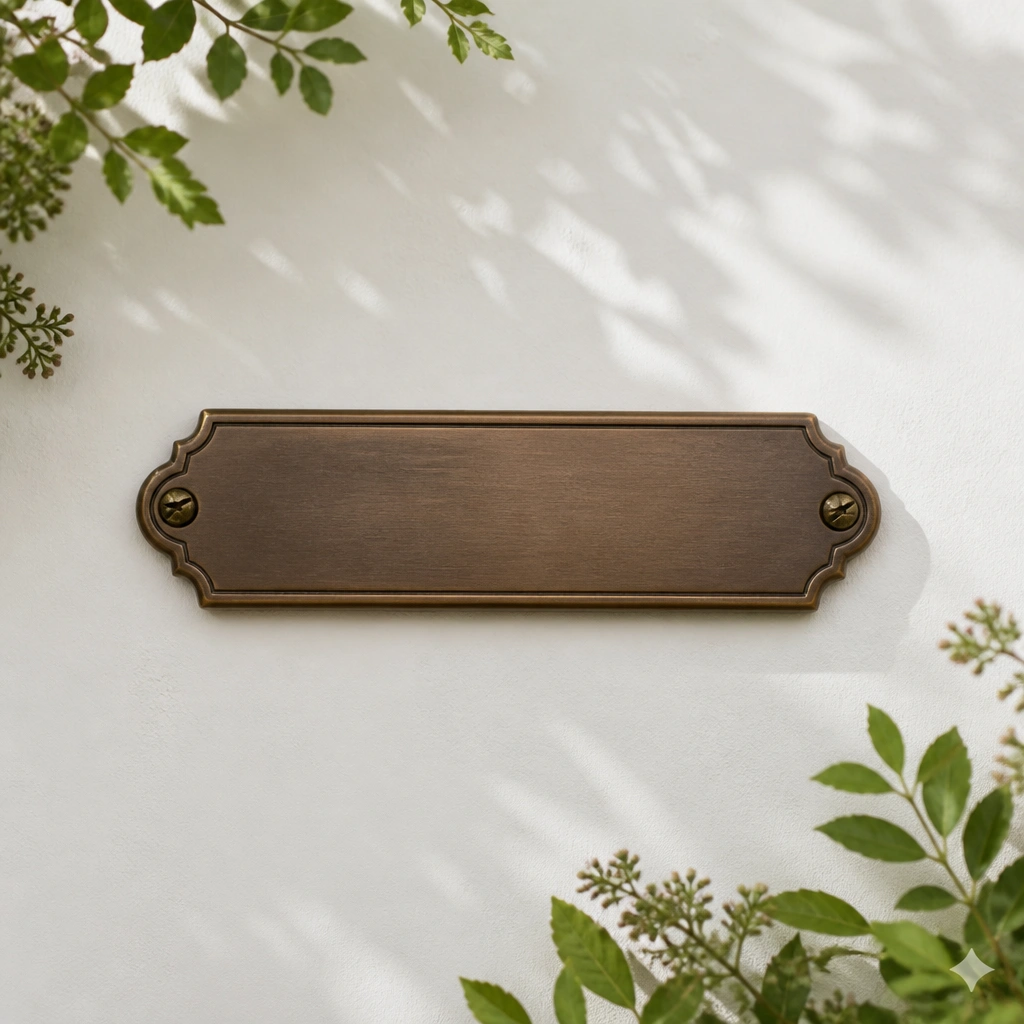
4. Brass-Finish Oval Plate with Simple Serif Name
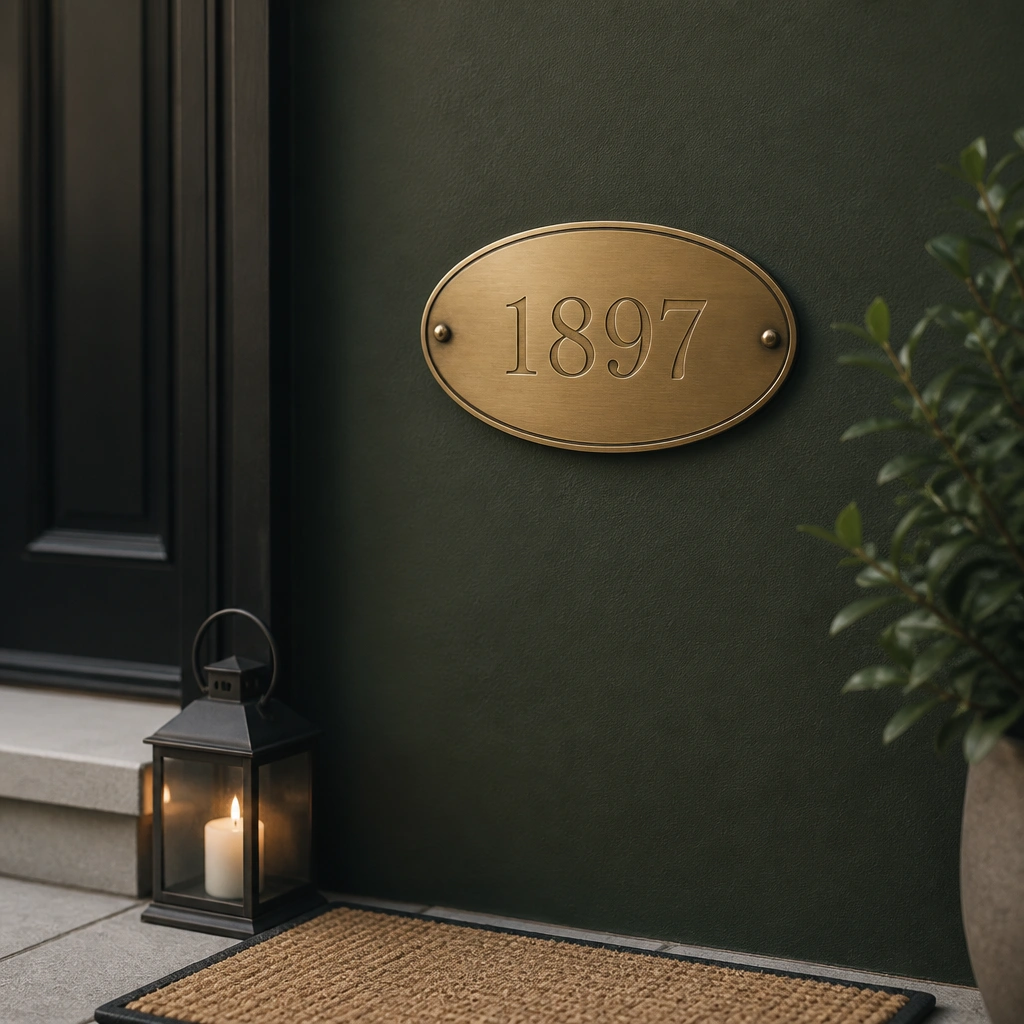
Brass-finish plates feel classic and “always right,” which is why they’re great for year round name plates for home. Engraved serif text looks elegant without trending into holiday themes. Brass also pairs beautifully with warm-toned lighting and bronze hardware.
Wipe with a microfiber cloth monthly and avoid harsh cleaners to keep the finish from dulling.
5. Clear Acrylic Name Plate with Black Vinyl Lettering
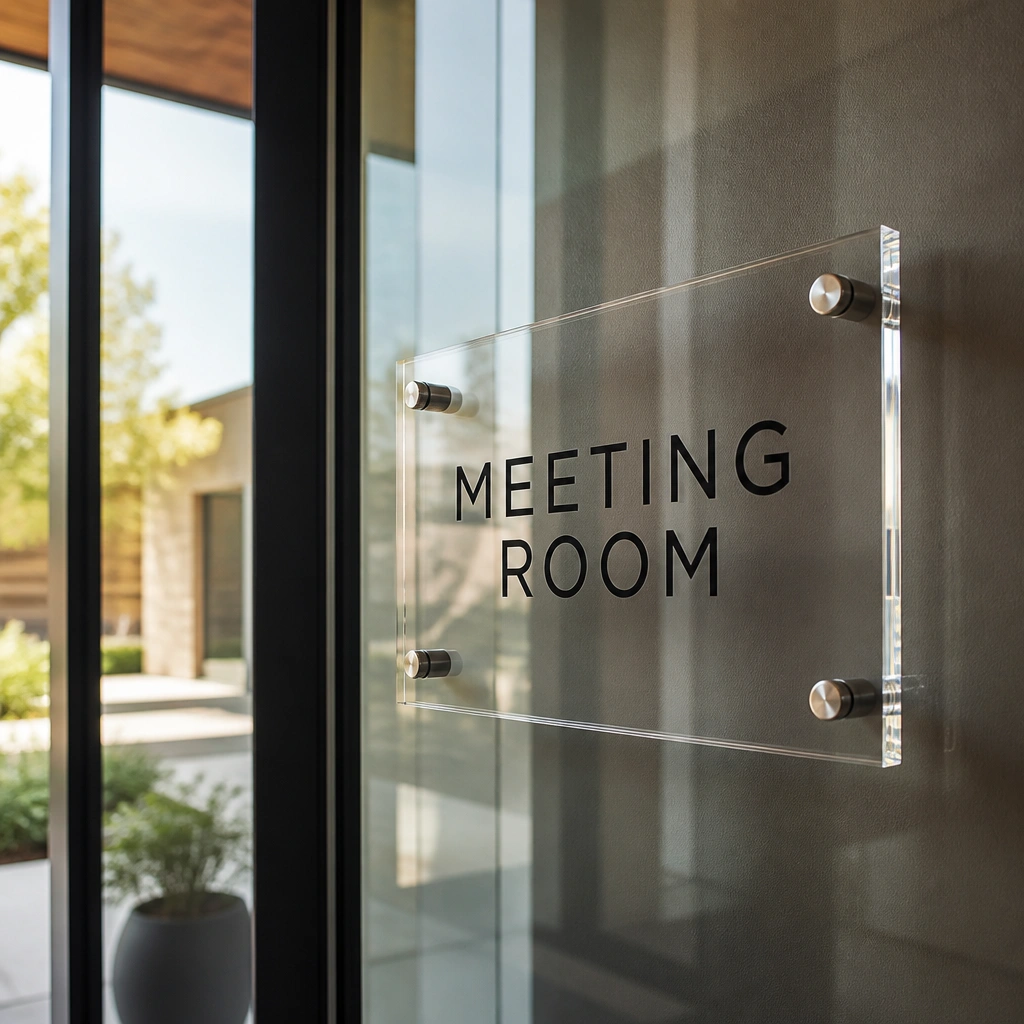
Clear acrylic gives you a sleek look that doesn’t compete with seasonal wreaths or wall art. Black vinyl lettering stays high-contrast and reads well from the street. It’s also easy to swap seasonally if you ever want a different font or accent color later.
Pro tipUse outdoor-rated vinyl and edge-seal the acrylic with a clear protective coating if it’s exposed to rain.
6. Stone-Texture Composite Plaque with Raised Initial
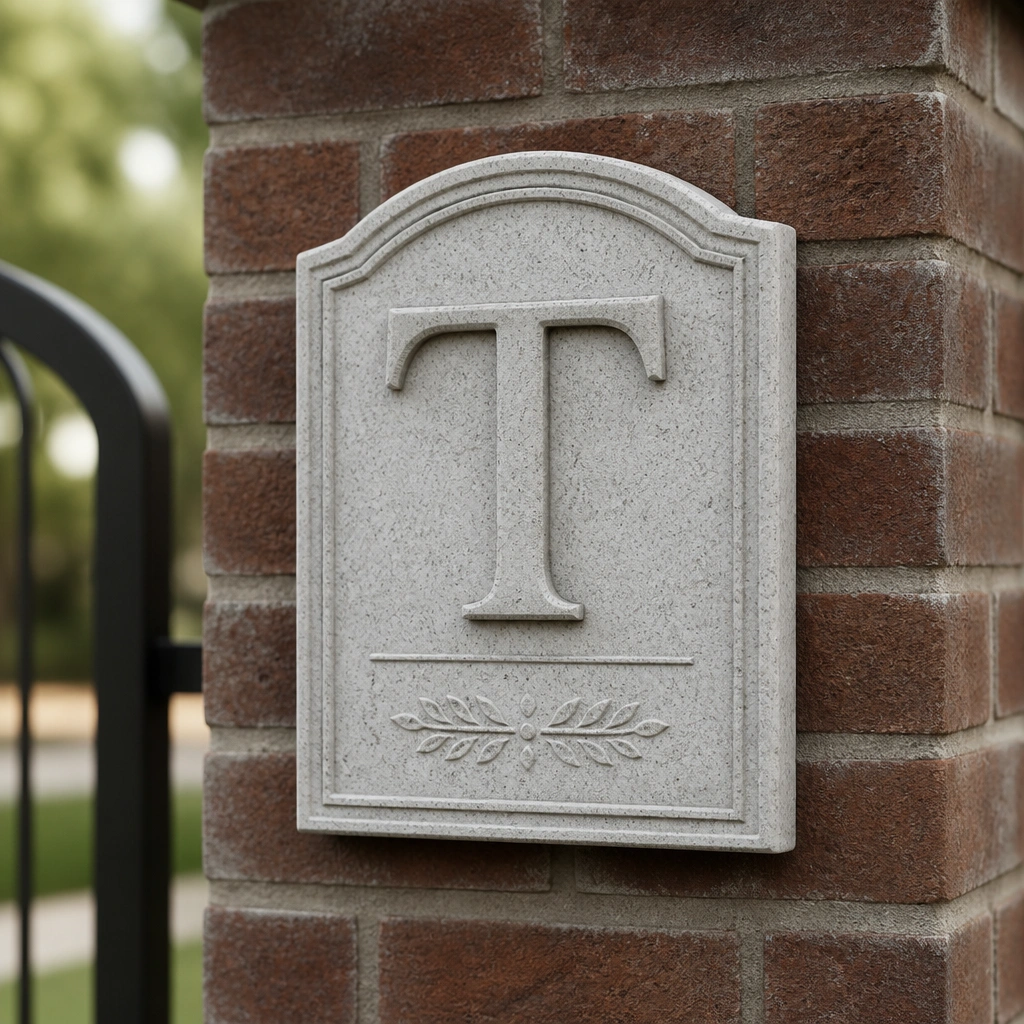
Stone-texture composite mimics natural stone but is lighter and less brittle, which makes it easier to mount securely. A raised initial creates a focal point that works whether you’re styling for spring, summer, fall, or winter. Engraved secondary text keeps the design tidy without clutter.
On brick or stucco, use masonry anchors or a rated outdoor adhesive designed for textured surfaces.
7. Rattan Woven Frame Name Plate with Removable Center Insert
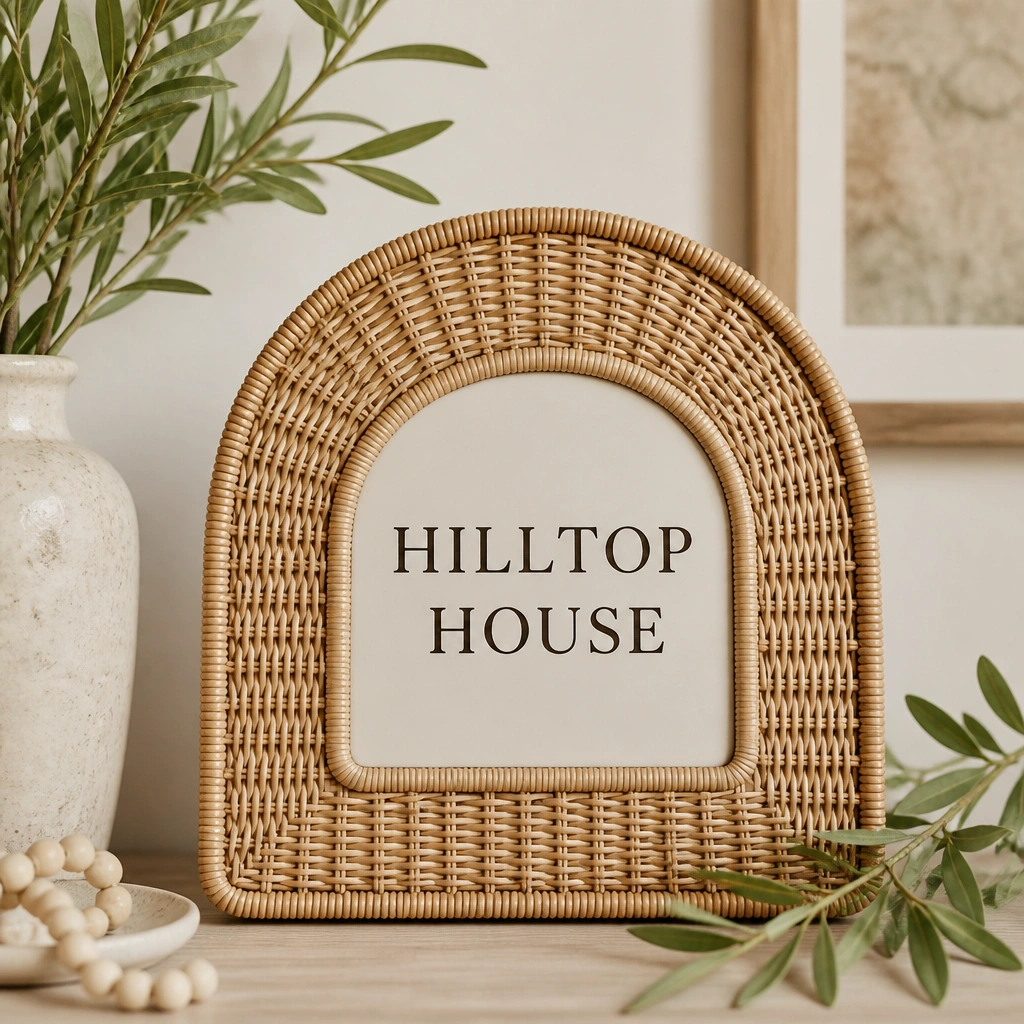
A woven frame brings softness to hard entryways and looks amazing with seasonal plants — think spring herbs or winter evergreen stems. The real win is the removable insert: you can keep the frame year-round and switch the center style if you ever want a different look. This prevents “plate fatigue” from constant swaps.
Pro tipChoose inserts sized to fit snugly (no gaps) so rain doesn’t seep behind the backing.
8. Porcelain Enamel Look Sign with Color-Blocked Letters
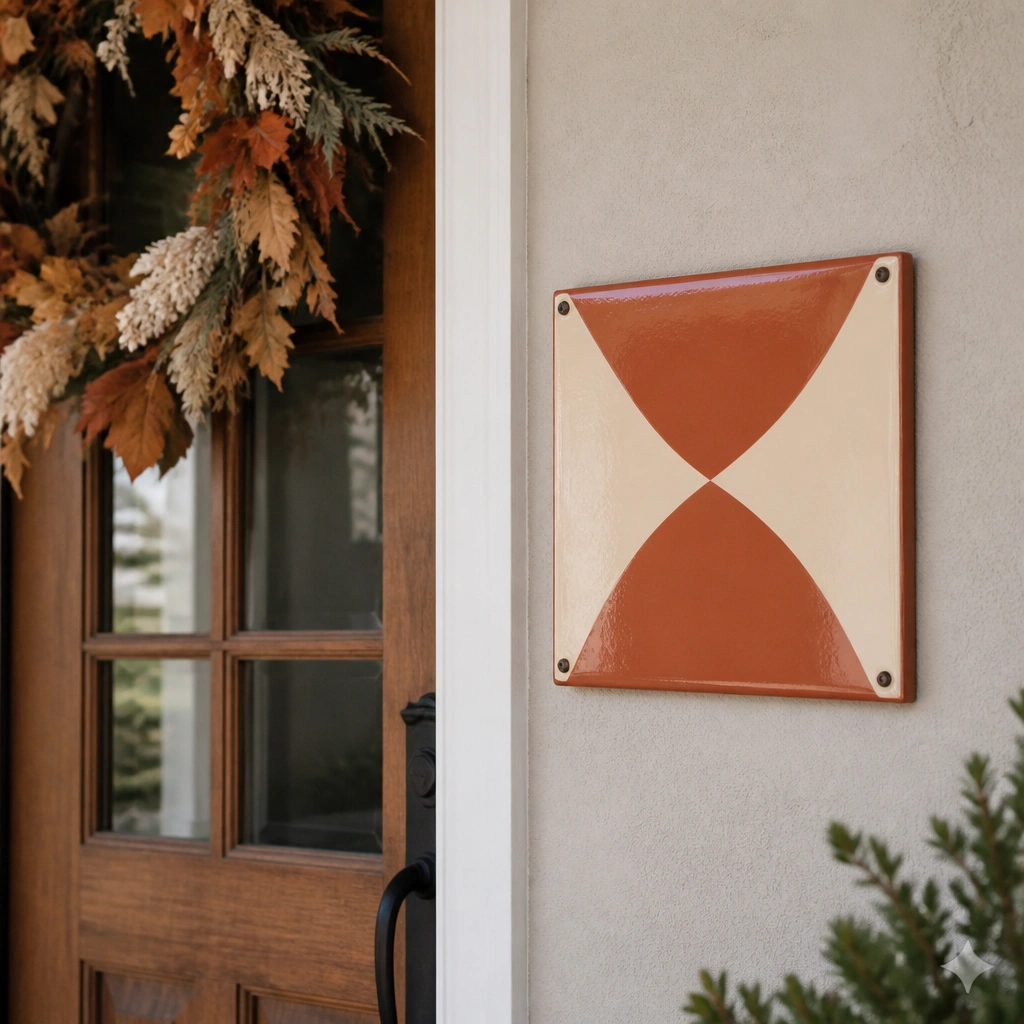
Enamel-style finishes are tough and give a “heritage” vibe that doesn’t feel holiday-coded. Color-blocked letters add personality while staying simple enough for year-round use. Muted tones (terracotta, cream, sage) blend with spring greens, fall leaves, and winter evergreens.
If you live in a high-sun area, pick UV-resistant outdoor coatings so colors don’t fade.
9. Vintage-Inspired Cast Iron Number Plate with Weathered Patina
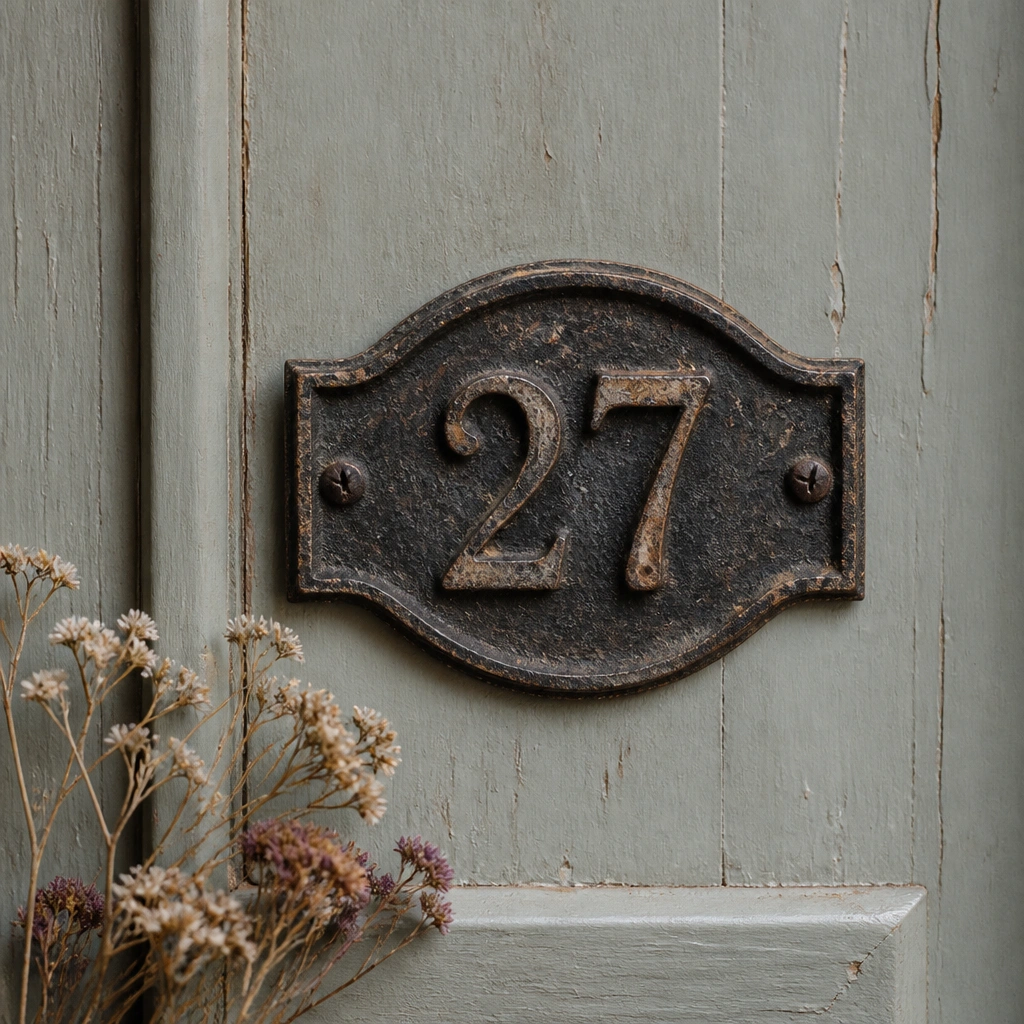
Cast iron with a weathered patina looks intentional even when it’s not “decorated,” which is perfect when you want year round name plates for home to do the heavy lifting. The rustic feel pairs with traditional doors but also works on modern homes when you keep the rest of the styling minimal. Raised numbers help readability in low light.
Pro tipAdd a small clear topcoat if you want to slow rust — test a hidden spot first.