1. Rustic Wood Slat Name Plate with Black Vinyl Letters
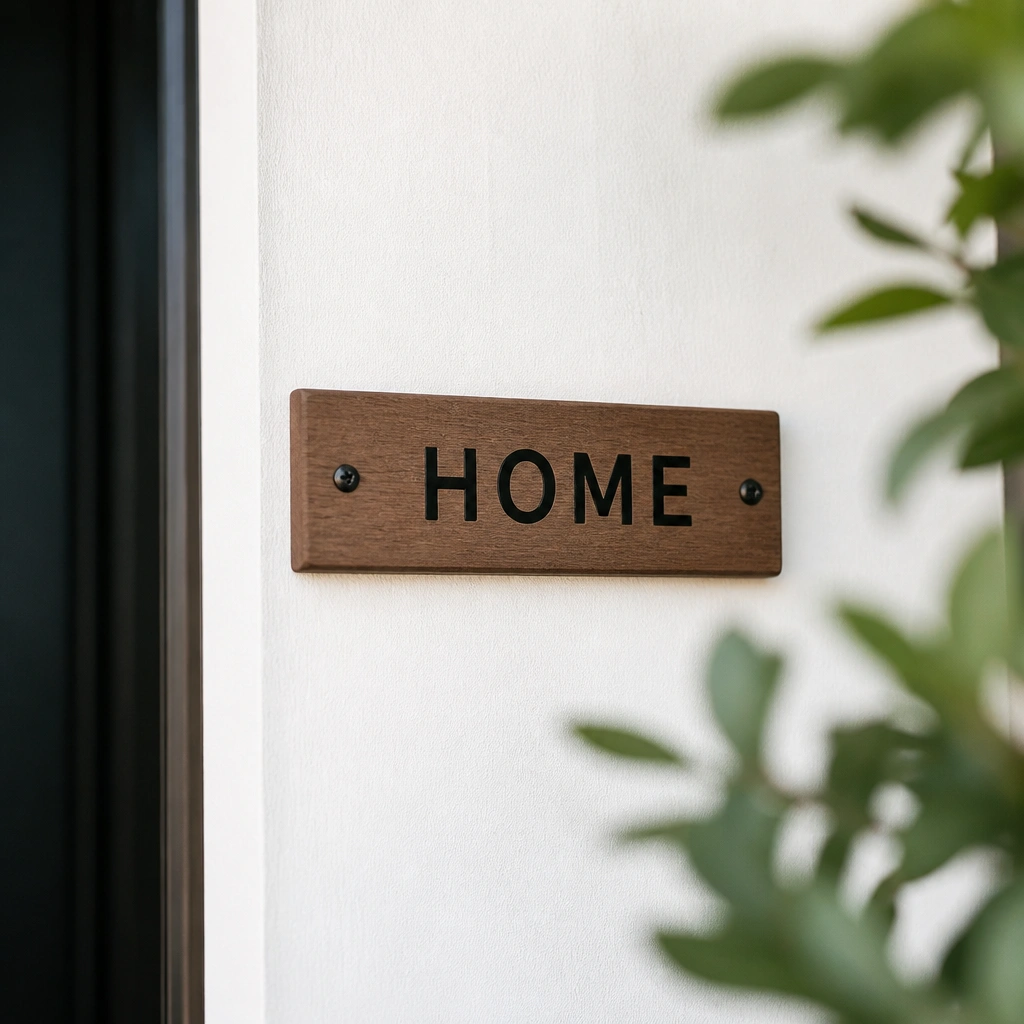
Use a single wood slat or a small pre-cut wooden board so you don’t have to cut down materials. Stain in warm walnut (or a similar medium brown) for that cozy, lived-in look, then apply black vinyl for high contrast. The vinyl keeps your letters sharp even if your handwriting isn’t perfect.
Pro tipBefore sticking vinyl, wipe the wood with rubbing alcohol and let it dry for 2 minutes to help adhesion.
2. Painted White Doorframe Name Plate with Gold Vinyl Cursive
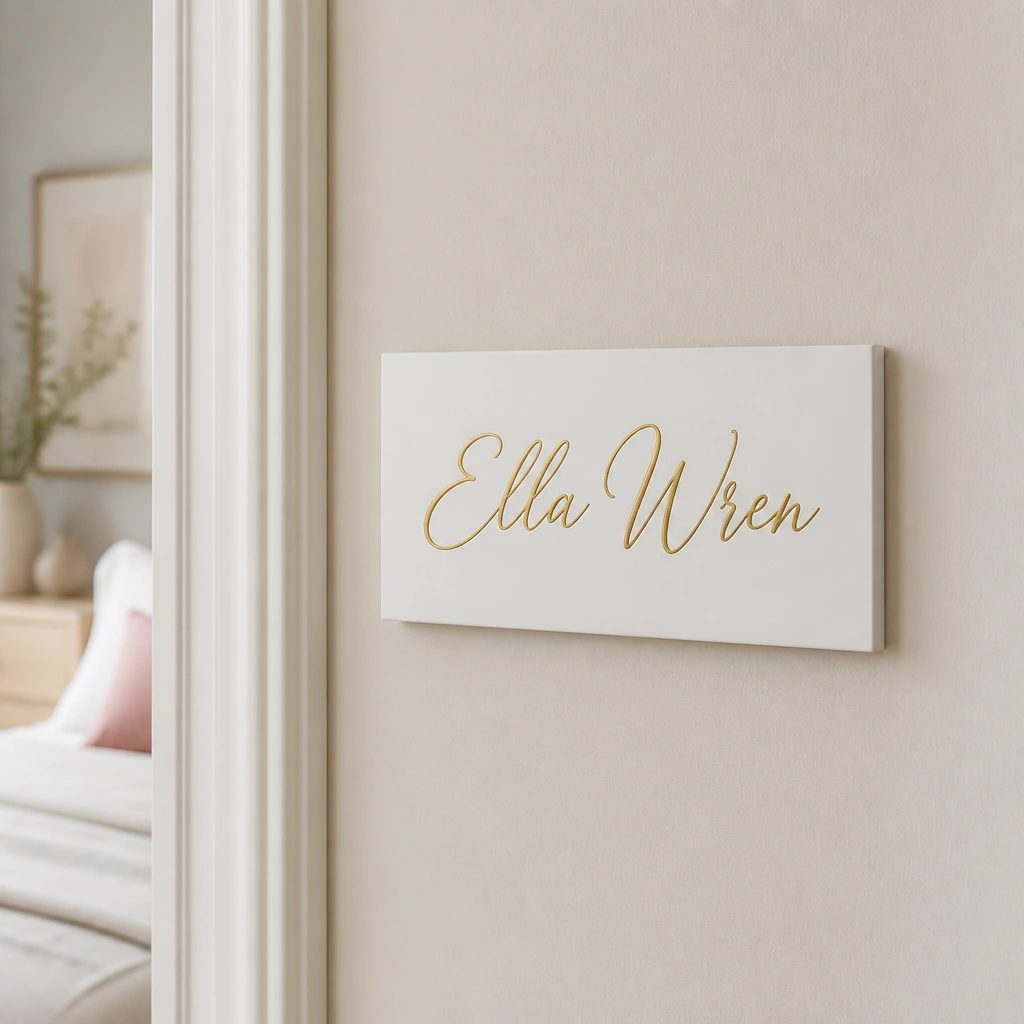
This is the easiest way to get a “designer” look without fancy tools. A matte white base makes gold vinyl pop, especially in bright entryways. Cursive lettering feels soft and welcoming, but vinyl keeps it neat.
Use painter’s tape to outline the plaque’s edges first, then place vinyl within the taped border so everything stays centered.
3. Chalkboard-Style Name Plate with Peel-and-Stick Letters
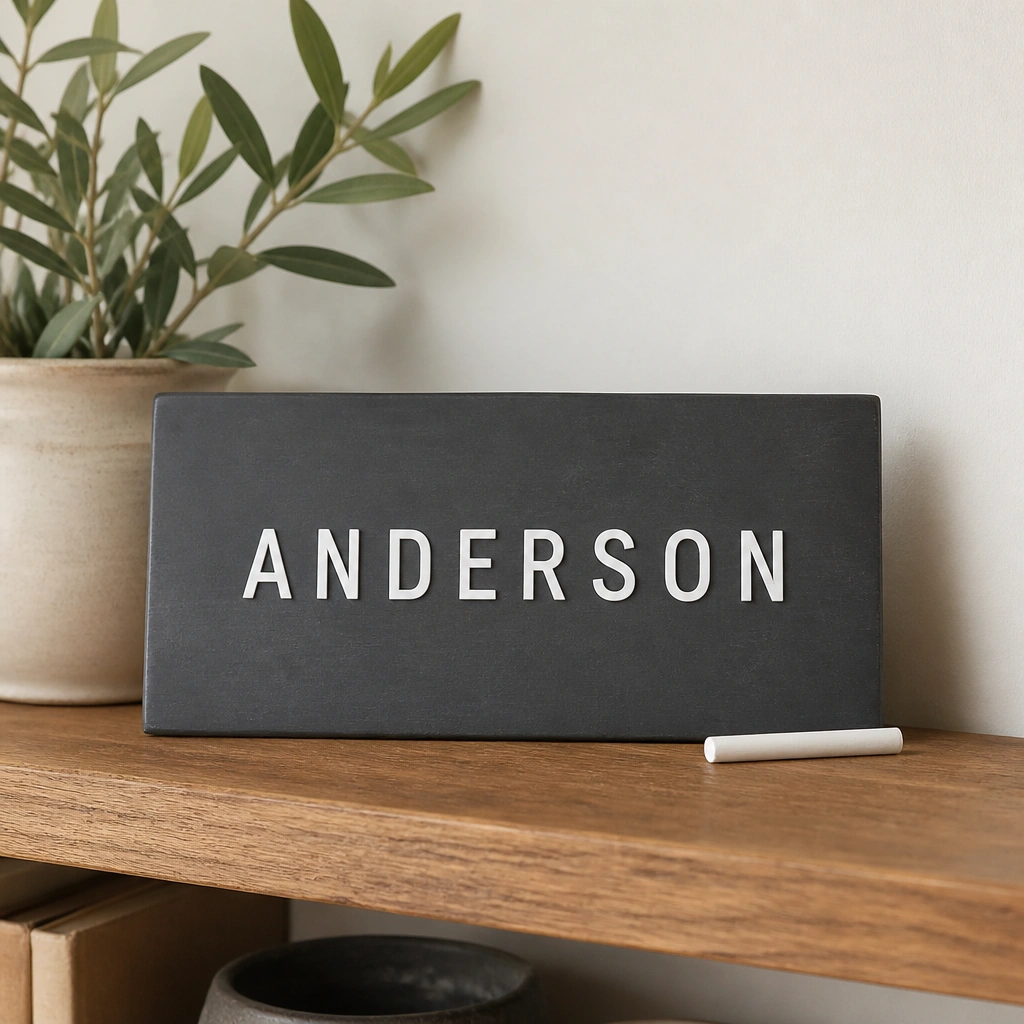
If you like changeable decor, chalkboard-style paint plus peel-and-stick letters is a beginner-friendly combo. The dark finish hides scuffs better than bright colors, and the white letters stay readable. It’s great for renters because you can swap the letters later.
Let chalkboard paint cure fully (usually 24-48 hours) before applying vinyl or peel-and-stick letters.
4. Clear Acrylic Name Plate with Black Permanent Vinyl
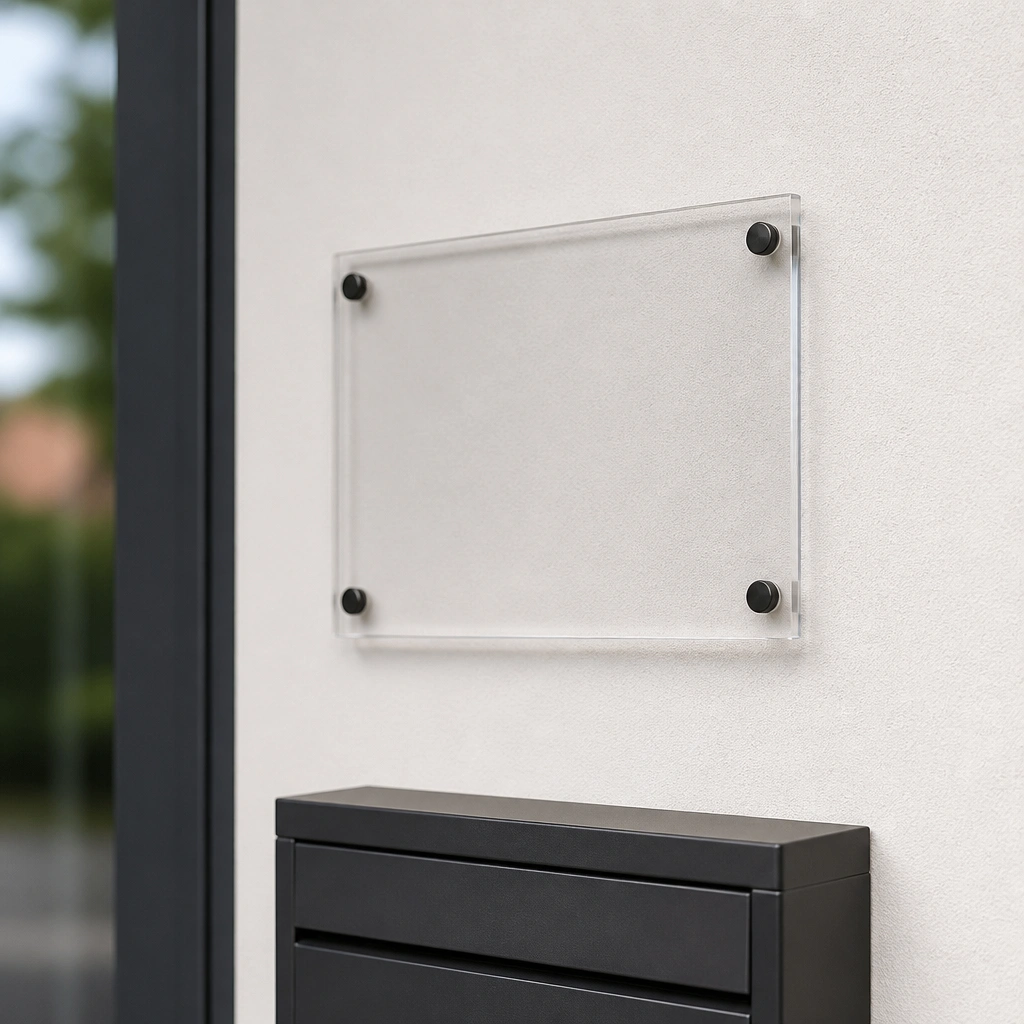
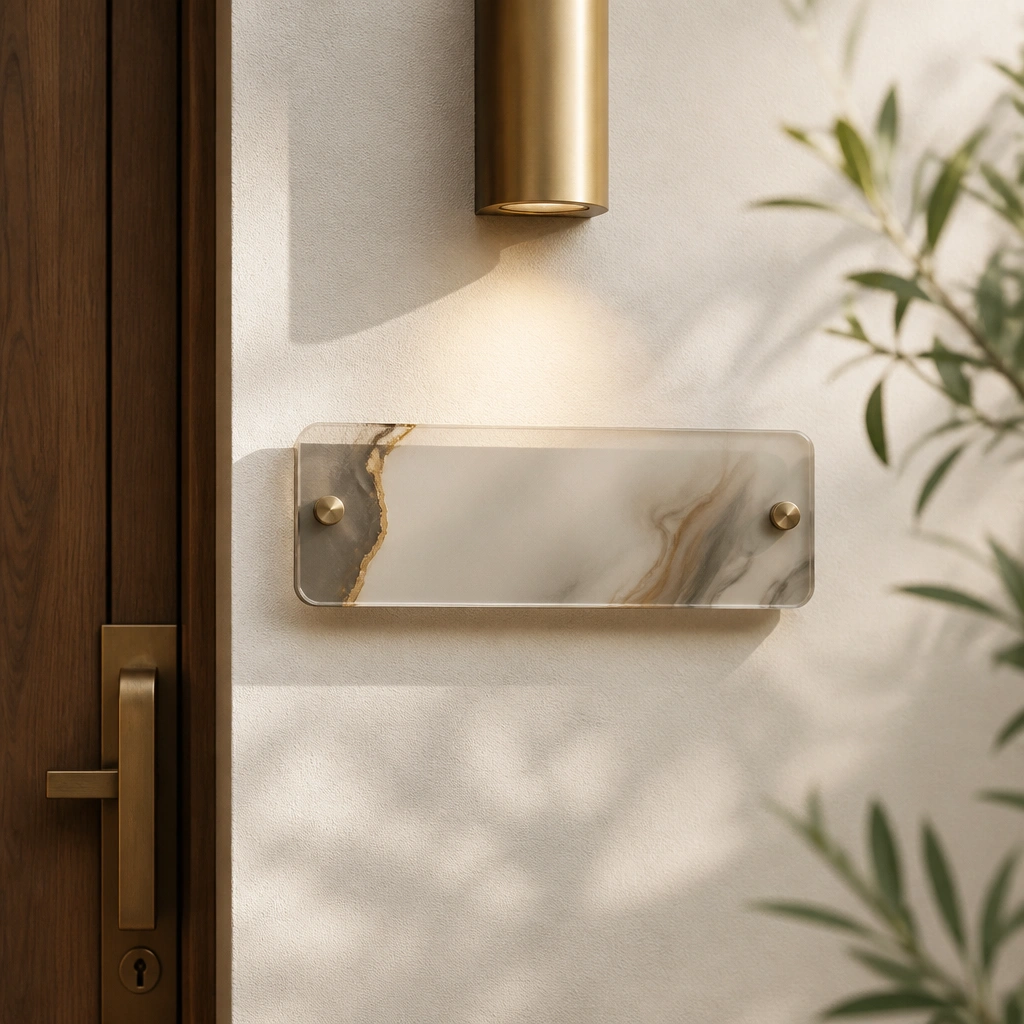
A clear acrylic plate looks sleek and elevated, even with simple vinyl. The trick is applying vinyl to the back side so the letters look smooth and polished from the front. Black vinyl on clear acrylic gives a crisp, high-end contrast.
Pro tipClean acrylic with a microfiber cloth and alcohol, then apply vinyl slowly with a squeegee to avoid bubbles.
5. Terracotta Tile Accent Name Plate with Stenciled Letters
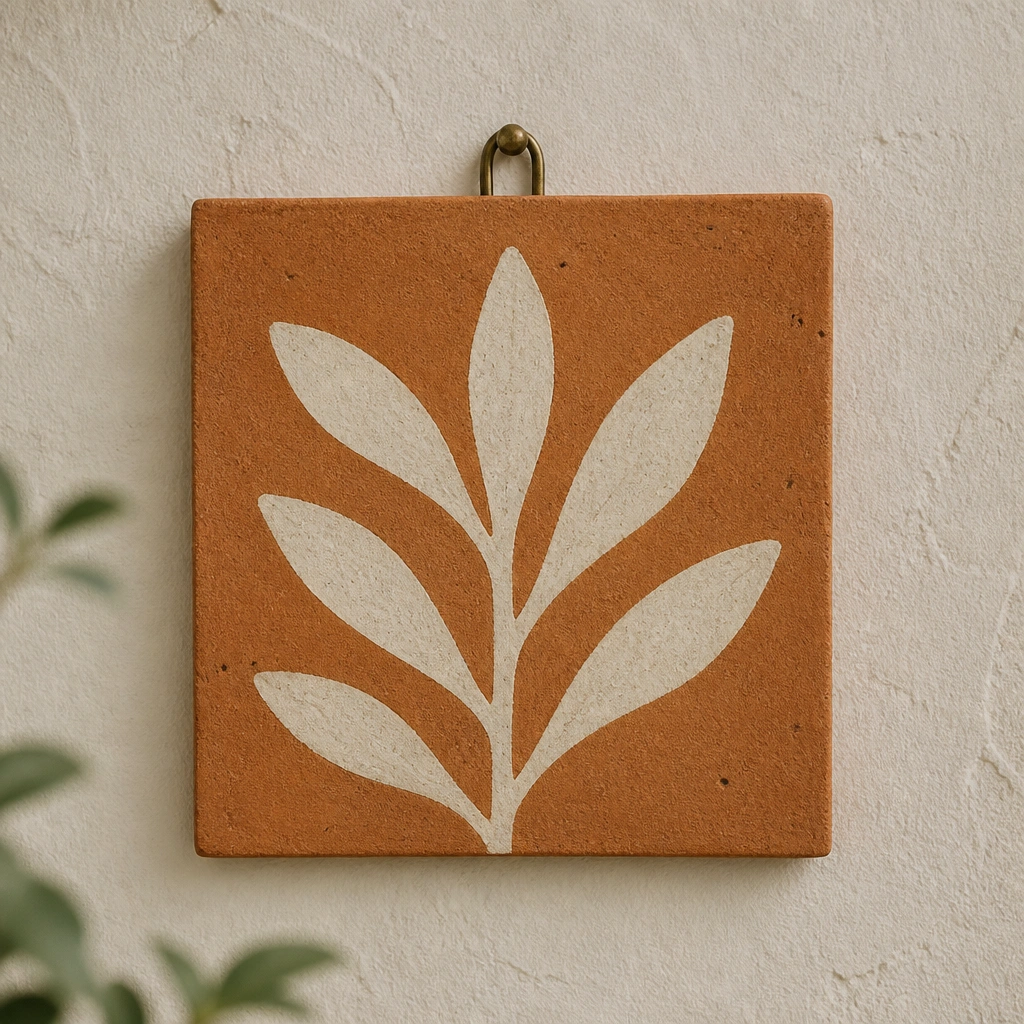
Terracotta adds warmth and texture, and it’s perfect for entryways that need a grounded, natural vibe. Stencil letters keep the look tidy, even if you’re not confident freehand painting. Seal the tile so the paint doesn’t fade or get tacky over time.
Use a foam stencil brush and dab paint lightly to prevent bleeding under the stencil edges.
6. Linen Ribbon + Wood Clip Name Plate for a Temporary Look
This is a “no-commitment” option that still looks intentional. A linen ribbon softens the look and makes it feel styled, not random. It’s great if you’re setting up a new home and want something quick while you decide on a permanent design.
Print on thicker cardstock (at least 160 gsm) so the card doesn’t curl and stays crisp.
7. Black Metal Tag Name Plate with White Vinyl (Industrial Entry)
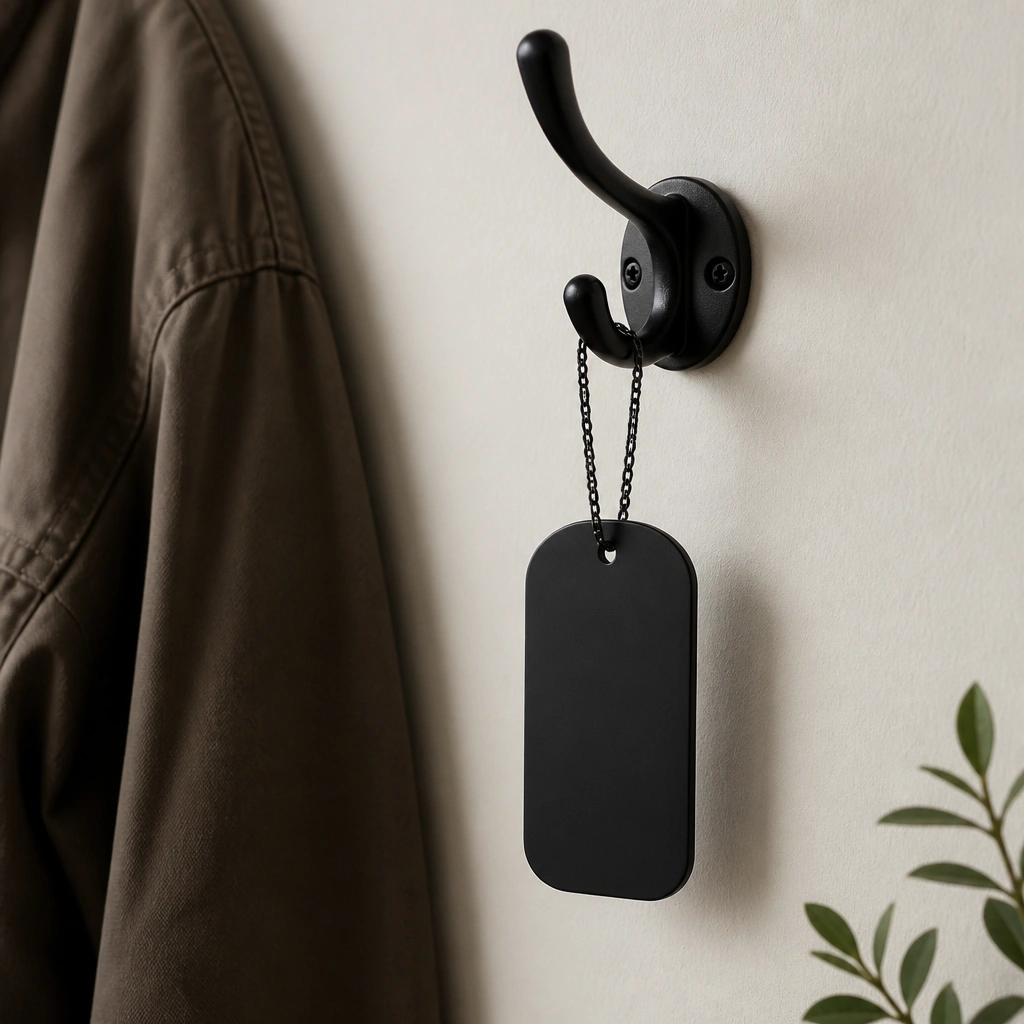
Metal tags look bold and modern, and they’re naturally durable. White vinyl on black is readable from a distance, which is ideal for entryways. The chain adds movement and gives the whole setup a styled, cohesive feel.
Pro tipIf you’re placing it outdoors or near a humid door, seal the edges with a clear spray designed for vinyl.
8. Ceramic Tile Name Plate with Gloss Finish and Navy Letters
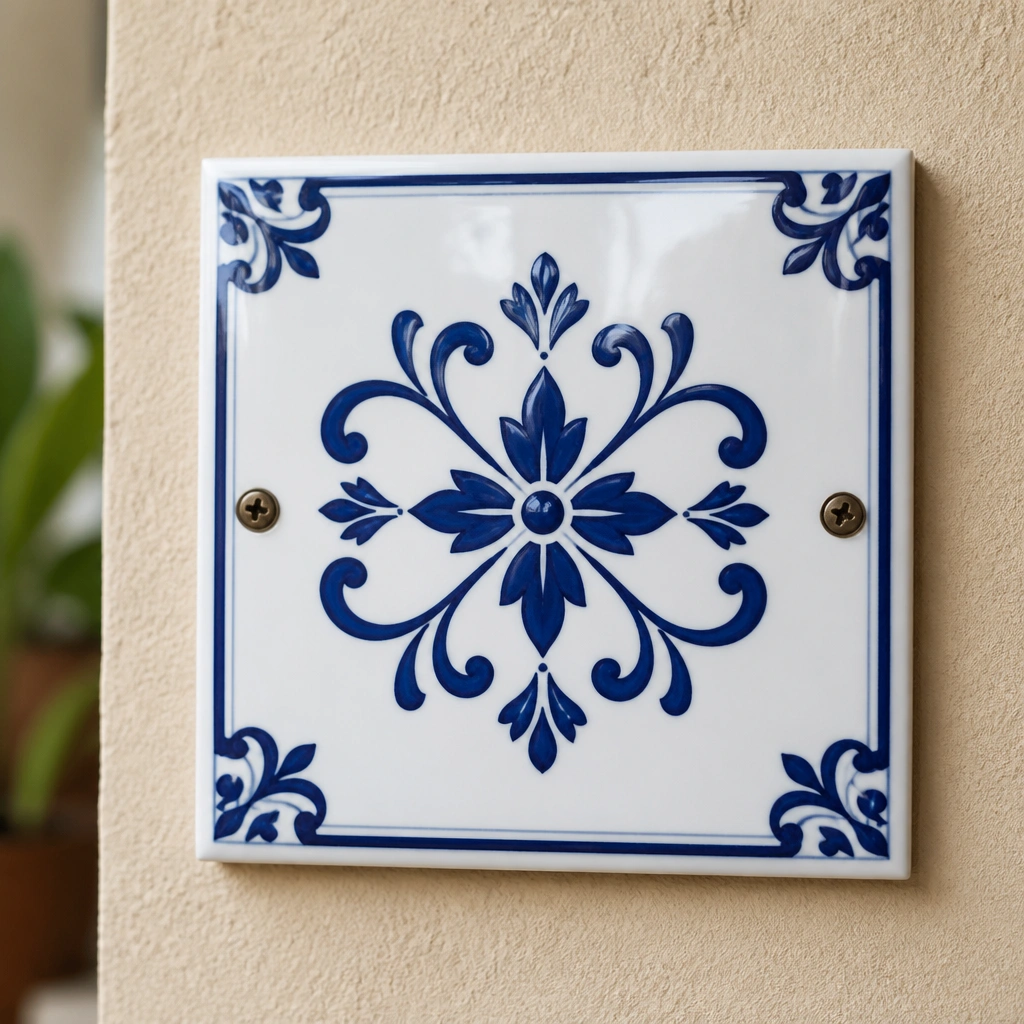
A ceramic tile is super forgiving because it gives you a smooth, hard surface for crisp lettering. Navy looks classic and calm against white, and the glossy finish makes it feel more “finished” than a flat matte sign. It’s also easy to wipe clean.
Use a clear gloss sealer made for painted ceramics to protect against scuffs.
9. Minimalist Wooden Circle Name Plate with Laser-Printed Style Vinyl
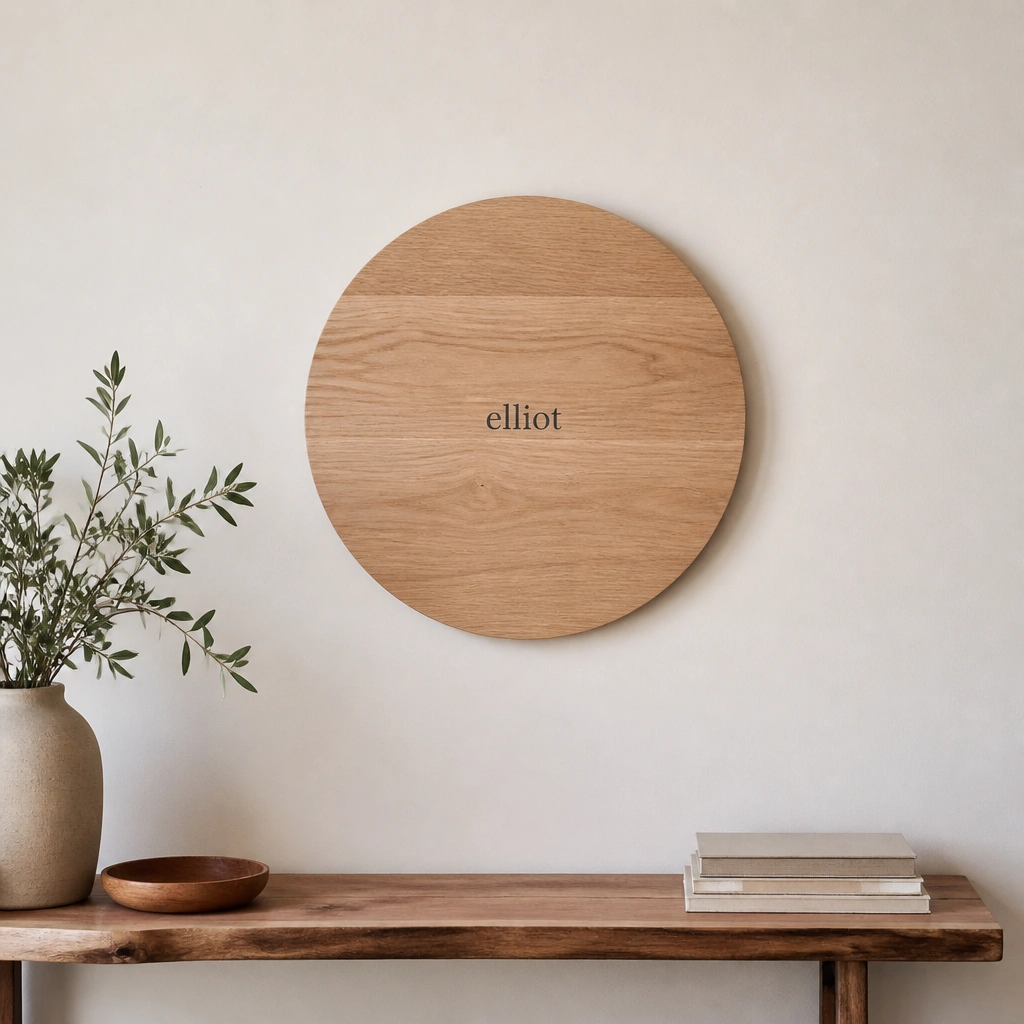
Round shapes soften entryway lines and feel modern without looking busy. Choose a dark gray vinyl for a subtle, high-end look that doesn’t feel too harsh like pure black. This style is also great for small spaces because it stays compact.
Pro tipCenter your vinyl by measuring the disc diameter and dividing by 2 to mark the midpoint before applying.
10. Reclaimed Board Name Plate with Characterful Distressed Font
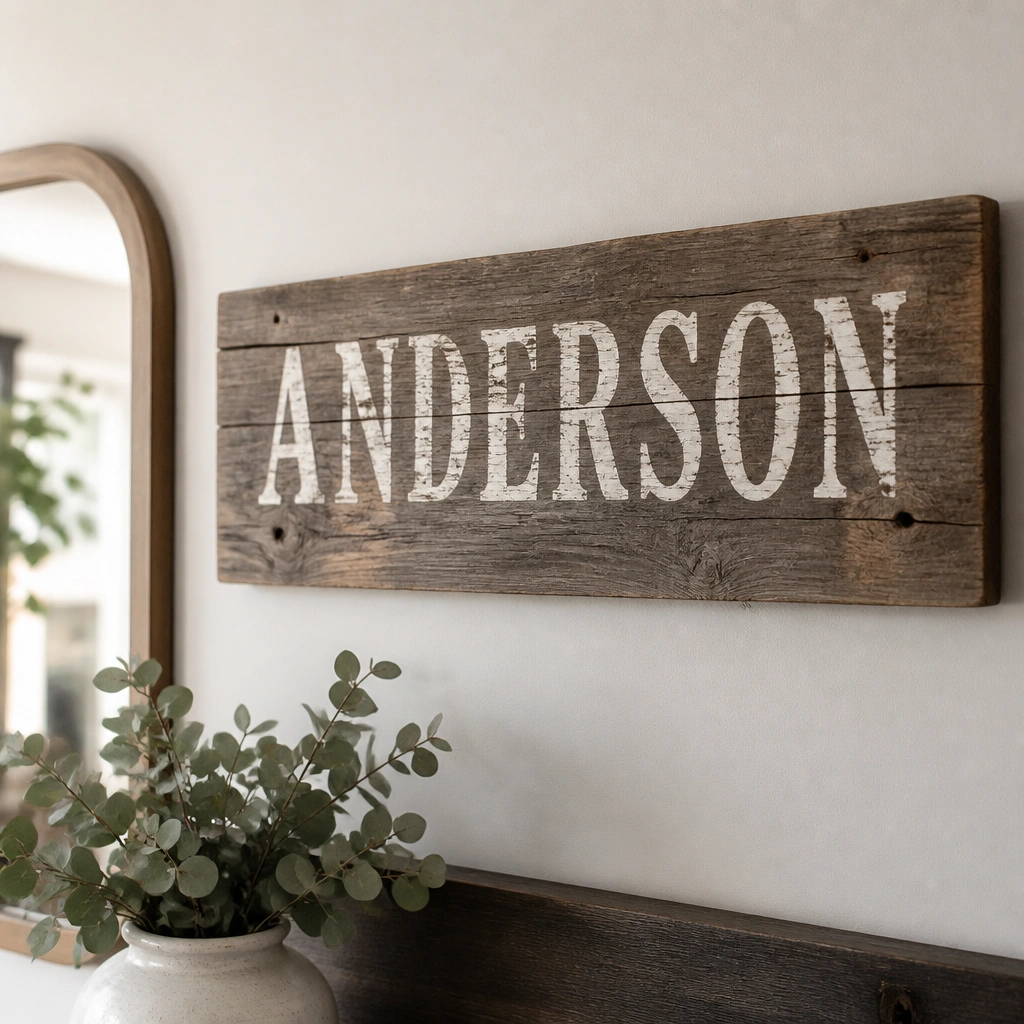
Reclaimed wood brings instant texture, so your letters don’t need to be fancy to look special. Distressed vinyl matches the character of the board and prevents the design from looking too “perfect.” This is a great option if you want a cozy farmhouse-meets-modern vibe.
Pro tipChoose a vinyl font with thick strokes so it stays readable on textured wood.